Minecraft: A Complete Guide to Gameplay, Exploration, Creativity, Survival, Building, and Player Experiences
Introduction
Minecraft is one of the most influential sandbox video games ever created, offering players a unique combination of exploration, creativity, survival, and limitless building possibilities. Unlike many traditional games that guide players through a fixed storyline or predefined objectives, Minecraft provides an open environment where players can decide how they want to experience the world.
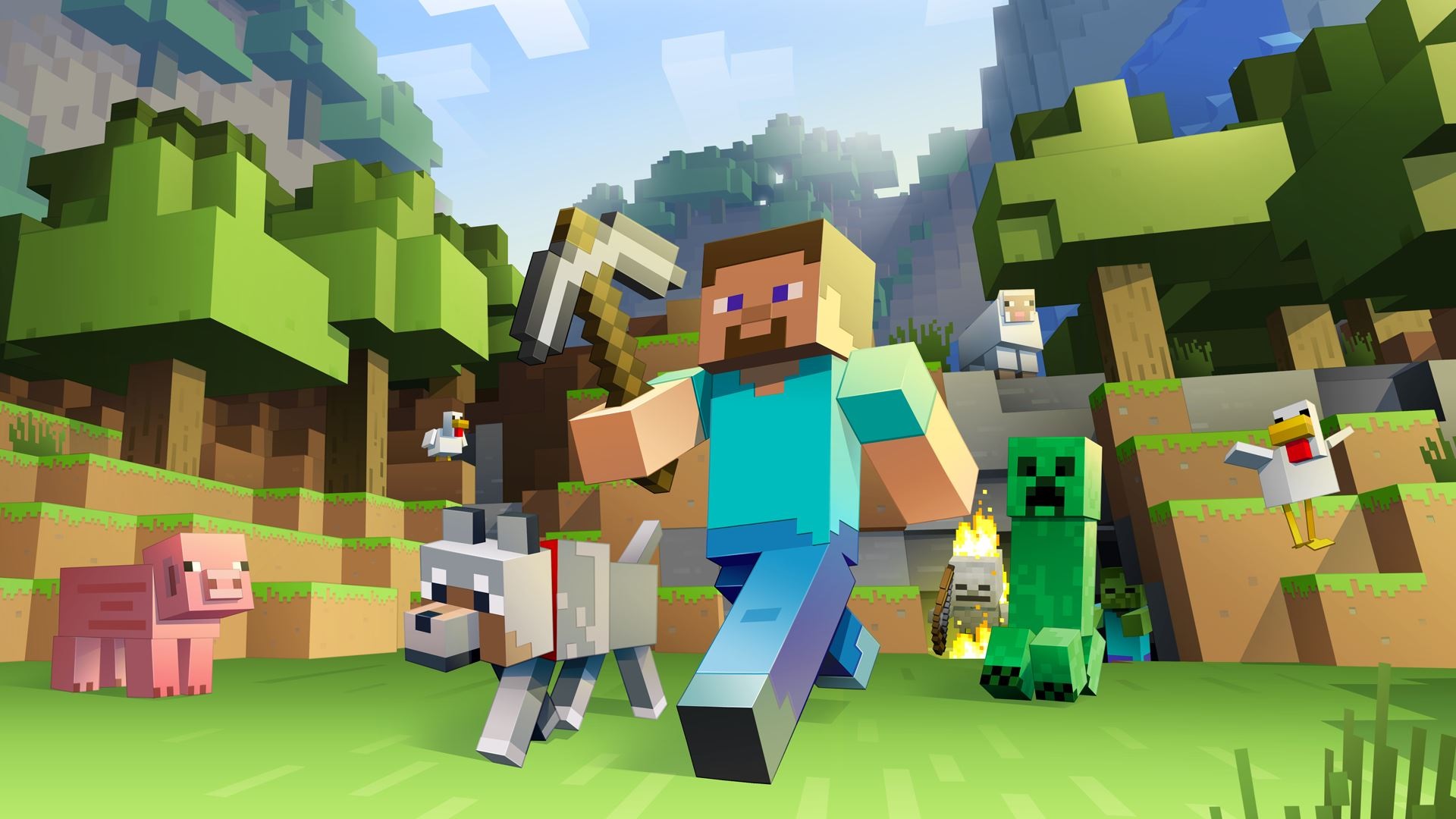
At its foundation, Minecraft is built around a simple concept: a world made of blocks where players can collect resources, create tools, construct buildings, explore environments, and interact with different creatures. Despite its simple visual style, the game offers surprising depth through its systems, mechanics, and player-driven creativity.
Over the years, Minecraft has grown from an independent project into a global gaming phenomenon. Millions of players have used the game to create impressive structures, develop survival strategies, design complex machines, and build communities. Its flexible gameplay allows beginners to enjoy simple adventures while experienced players can spend years mastering advanced techniques.
This article explores Minecraft from its origins and gameplay foundations to its advanced mechanics, community influence, and long-term impact on gaming culture.
1. The History and Development of Minecraft
1.1 The Beginning of Minecraft
Minecraft was originally created by Markus Persson, also known as Notch, as an independent game project in 2009. The early versions focused on a basic block-building concept where players could place and remove blocks in a randomly generated environment.
The idea behind Minecraft was different from many games at the time. Instead of focusing on detailed graphics, cinematic storytelling, or linear missions, the game emphasized freedom and creativity. Players were given simple tools and a large world, then encouraged to create their own experiences.
The early development versions attracted attention because players immediately recognized the potential of the game. Even with limited features, people began creating structures, experimenting with mechanics, and sharing their creations online.
1.2 The Growth of Minecraft’s Popularity
As development continued, Minecraft introduced important features that shaped the modern version of the game. Survival mechanics, crafting systems, creatures, and new environments transformed Minecraft from a simple building project into a complete sandbox experience.
Several elements contributed to Minecraft’s rapid growth:
- Simple gameplay mechanics that were easy for new players to understand.
- Unlimited creative possibilities.
- Community-generated content.
- Support for multiple gaming platforms.
- Online videos and tutorials shared by players.
The rise of streaming platforms and gaming communities helped Minecraft reach a much larger audience. Players began creating survival series, building showcases, tutorials, and challenge videos, introducing the game to millions of new users.
1.3 Minecraft’s Expansion and Continued Development
Minecraft continued evolving through regular updates that added new features while maintaining the original philosophy of player freedom. New blocks, creatures, biomes, structures, and gameplay mechanics expanded the possibilities available inside the game.
The acquisition of Minecraft by Microsoft in 2014 brought additional resources and development support. The game continued receiving updates across different platforms, allowing players on computers, consoles, and mobile devices to experience the same core gameplay.
Rather than changing Minecraft into a completely different game, updates focused on expanding existing systems and providing more opportunities for exploration and creativity.
2. Understanding the Core Gameplay of Minecraft
2.1 The Sandbox Concept
The defining feature of Minecraft is its sandbox design. Unlike games where players follow a predetermined path, Minecraft allows users to create their own objectives.
A player may choose to:
- Build a small survival shelter.
- Explore distant biomes.
- Search for rare resources.
- Create automated farms.
- Construct large cities.
- Play with friends.
- Experiment with game mechanics.
Because there is no single correct way to play, every Minecraft experience can be different.
The sandbox structure also encourages experimentation. Players can test ideas, learn from mistakes, and gradually develop their own strategies. This freedom is one of the reasons Minecraft remains engaging even after many years.
2.2 The Importance of Blocks and Resources
Blocks are the foundation of Minecraft’s entire world. Almost every object, structure, and environment element is represented through blocks that players can collect, place, and modify.
Different blocks serve different purposes:
- Wood is used for basic tools and structures.
- Stone provides stronger building materials.
- Ores provide valuable resources.
- Decorative blocks allow detailed construction.
- Special materials unlock advanced crafting options.
Resource collection creates a natural progression system. Players begin with simple materials and gradually gain access to more advanced resources.
2.3 Creating Personal Goals
One of Minecraft’s unique qualities is that players create their own goals rather than simply following objectives provided by the game.
Examples of personal goals include:
- Building a dream house.
- Completing a collection of rare items.
- Exploring every biome.
- Defeating powerful enemies.
- Creating advanced Redstone machines.
- Designing a large multiplayer world.
This player-driven progression allows Minecraft to appeal to many different types of gamers.
3. Minecraft Game Modes and Different Ways to Play
3.1 Survival Mode: Resource Management and Adventure
Survival Mode is one of the most popular ways to experience Minecraft because it combines exploration, resource management, crafting, and challenges. When players enter a new survival world, they usually begin with almost nothing and must gather materials from the environment to create tools, shelter, and equipment.
The early stages of survival gameplay focus on establishing basic security. Players collect wood, craft their first tools, gather food, and build a shelter before night arrives. During nighttime, hostile creatures appear, creating the first major challenge for new players.
A typical survival progression involves several important steps:
- Gathering basic materials such as wood and stone.
- Creating essential tools and weapons.
- Building a safe base.
- Exploring caves to find valuable resources.
- Improving equipment through crafting and upgrades.
- Discovering new areas and structures.
The survival experience is designed around gradual improvement. Every resource collected and every upgrade achieved feels meaningful because players directly contribute to their own progress.
3.2 The Challenges and Strategies of Survival Gameplay
Survival Mode requires players to make decisions about risk and preparation. Exploring a deep cave may provide valuable minerals, but it also introduces dangers such as hostile mobs and environmental hazards.
Successful survival players often develop strategies including:
- Carrying enough food before long journeys.
- Creating storage systems for resources.
- Preparing weapons and armor before dangerous exploration.
- Building shelters in important locations.
- Managing valuable resources carefully.
These systems encourage planning and problem-solving. A player who enters an unknown area without preparation may lose valuable items, while a prepared player can successfully overcome difficult situations.
3.2.1 Advanced Survival Progression
As players become more experienced, survival gameplay becomes more complex. They begin creating larger bases, automated farms, transportation networks, and efficient resource systems.
Advanced survival goals may include:
- Obtaining powerful equipment.
- Exploring rare dimensions.
- Creating large-scale farms.
- Collecting rare items.
- Defeating challenging enemies.
This long-term progression gives Minecraft survival mode significant replay value because players can always discover new objectives.
4. Creative Mode: Building and Unlimited Imagination
4.1 The Purpose of Creative Mode
Creative Mode provides a completely different Minecraft experience by removing many survival limitations. Players receive unlimited access to blocks and resources, allowing them to focus entirely on designing and constructing.
Unlike Survival Mode, where players must collect materials, Creative Mode allows builders to immediately start creating their ideas. This makes it especially popular among players who enjoy architecture, design, and artistic expression.
Creative Mode is often used for:
- Designing large buildings.
- Creating realistic environments.
- Testing construction ideas.
- Developing adventure maps.
- Building community projects.
The mode transforms Minecraft into a digital construction platform where imagination becomes the main limitation.
4.2 Building Styles and Creative Techniques
Minecraft building has developed into a major part of the game’s culture. Players use different techniques to create detailed and visually impressive structures.
Some popular building styles include:
- Medieval castles.
- Modern cities.
- Fantasy landscapes.
- Historical recreations.
- Futuristic structures.
- Natural environments.
Experienced builders often combine different materials, colors, and shapes to create depth and realism.
4.2.1 Planning and Designing Large Projects
Large Minecraft projects usually require careful planning. Many builders create designs before starting construction, considering factors such as:
- Overall structure layout.
- Material selection.
- Interior decoration.
- Lighting.
- Environmental details.
Some players spend weeks or months completing large builds, demonstrating how Minecraft can become a long-term creative hobby.
5. Exploration, Biomes, Mobs, and Natural Environments
5.1 Discovering Minecraft’s Diverse Biomes
Exploration is one of Minecraft’s most important gameplay elements. The world contains many different biomes, each with unique landscapes, resources, creatures, and environmental features.
Players may encounter environments such as:
- Forests filled with trees and wildlife.
- Deserts containing unique structures.
- Snow-covered mountains.
- Oceans with underwater ecosystems.
- Jungles with rare plants.
- Caves containing valuable resources.
Each biome encourages different gameplay experiences. A desert may provide specific materials and structures, while an ocean may encourage underwater exploration.
The variety of environments ensures that players constantly have new places to discover.
5.2 Mobs and Creature Interactions
Minecraft contains many different creatures, commonly known as mobs. These creatures influence exploration, survival, and gameplay strategies.
Mobs can generally be divided into several categories:
Friendly Mobs
Friendly creatures do not attack players and often provide useful resources.
Examples include:
- Cows for food and leather.
- Sheep for wool.
- Chickens for eggs and food.
- Villagers for trading.
Neutral Mobs
Neutral mobs usually remain peaceful unless players interact with them in certain ways.
Examples include:
- Wolves.
- Bees.
- Some underwater creatures.
Hostile Mobs
Hostile mobs create challenges, especially during nighttime or in dangerous areas.
Examples include:
- Zombies.
- Skeletons.
- Creepers.
- Spiders.
Understanding mob behavior helps players prepare for exploration and survival challenges.
5.3 Exploring Dimensions Beyond the Overworld
Minecraft includes additional dimensions that provide new environments, resources, and challenges.
The Nether is a dangerous dimension filled with unique landscapes and materials. Players can access it through special portals and discover resources unavailable in the normal world.
The End is another important dimension associated with one of Minecraft’s major challenges. Players who reach this area can encounter powerful enemies and complete some of the game’s most recognizable objectives.
5.3.1 The Role of Exploration in Player Experience
Exploration creates a sense of discovery that keeps Minecraft engaging. Players never know exactly what they may find when entering a new area.
A journey may reveal:
- Rare resources.
- Hidden structures.
- New landscapes.
- Valuable items.
- Unexpected challenges.
This unpredictability is one of Minecraft’s strongest features.
6. Crafting Systems, Resources, and Player Progression
6.1 The Importance of Resource Gathering
Resource gathering is one of the central mechanics that connects exploration, survival, and creativity. Almost every major achievement in Minecraft requires players to collect and manage resources.
Resources come from many sources:
- Mining underground.
- Cutting trees.
- Farming plants.
- Hunting animals.
- Trading with villagers.
- Exploring structures.
The resource system creates a natural connection between player actions and progress. Players must interact with the world to obtain the materials needed for advancement.
6.2 Crafting and Equipment Development
Crafting allows players to transform collected materials into useful items. This system is essential because it enables progression from basic survival tools to advanced equipment.
Players can craft:
- Tools.
- Weapons.
- Armor.
- Building materials.
- Transportation items.
- Decorative objects.
The crafting system encourages experimentation because players gradually learn which combinations create useful items.
6.2.1 Enchantments and Advanced Equipment
As players progress, they can improve equipment through advanced systems such as enchantments. These upgrades provide additional abilities and make exploration more effective.
Examples include:
- Stronger tools.
- More durable equipment.
- Improved combat abilities.
- Enhanced resource gathering.
These systems provide additional depth for experienced players who want to optimize their gameplay.
7. Multiplayer, Servers, and Minecraft Community Experiences
7.1 Playing Minecraft With Other Players
Although Minecraft can be enjoyed as a single-player experience, multiplayer gameplay has become one of the most important parts of the game’s long-term popularity. Multiplayer allows players to share worlds, collaborate on projects, compete in challenges, and create unique experiences together.
Playing with others changes the way Minecraft is experienced. A simple survival world can become a shared adventure where players divide responsibilities, exchange resources, and work toward common goals. Some players may focus on mining, while others specialize in farming, building, or exploring.
Common multiplayer activities include:
- Building shared towns and communities.
- Creating team survival worlds.
- Competing in challenges.
- Trading resources.
- Exploring dangerous areas together.
- Designing large-scale projects.
The social aspect of Minecraft encourages teamwork and communication. Players often create memories through shared experiences that would not happen in a single-player world.
7.2 Minecraft Servers and Community Worlds
Minecraft servers provide customized multiplayer environments where communities can create their own rules, gameplay styles, and challenges. These servers have become a major part of Minecraft culture because they allow players to experience variations of the game beyond the standard modes.
Different types of Minecraft servers include:
- Survival servers focused on cooperation and progression.
- Creative servers dedicated to building.
- Mini-game servers with competitive activities.
- Role-playing servers with custom worlds and stories.
- Adventure servers featuring unique challenges.
Server communities often develop their own identities. Some focus on competitive gameplay, while others emphasize creativity and social interaction.
7.2.1 Player-Created Content and Community Creativity
One of Minecraft’s greatest strengths is that players contribute directly to the growth of the game’s culture. Community members create:
- Custom maps.
- Building tutorials.
- Texture modifications.
- Gameplay challenges.
- Redstone inventions.
- Educational projects.
This player-generated content extends the lifespan of Minecraft by constantly introducing new ideas and experiences.
8. Advanced Minecraft Mechanics and Technical Creativity
8.1 Redstone and Engineering Systems
Redstone is one of Minecraft’s most advanced gameplay mechanics. It allows players to create functional machines, automated systems, and complex designs using in-game components.
While basic players may use Redstone for simple tasks such as automatic doors or lighting systems, advanced players create highly complicated machines.
Examples of Redstone creations include:
- Automatic farms.
- Sorting systems.
- Hidden doors.
- Transportation systems.
- Complex machines.
- Interactive structures.
Redstone has transformed Minecraft into a platform where players can explore engineering concepts and logical problem-solving.
8.2 Automation and Efficient Gameplay
As players become more experienced, they often search for ways to improve efficiency. Automation allows players to reduce repetitive tasks and create systems that produce resources automatically.
Common automated systems include:
- Crop farms.
- Animal farms.
- Resource collection systems.
- Storage management.
- Experience farms.
Automation encourages players to understand Minecraft’s mechanics more deeply. Designing an efficient system requires planning, experimentation, and creativity.
8.2.1 Technical Minecraft Communities
Some players specialize in technical Minecraft, focusing on optimizing game mechanics and discovering advanced possibilities. These communities analyze systems such as:
- Game physics.
- Resource generation.
- Mob behavior.
- Redstone functions.
- World mechanics.
Technical players often share discoveries that help others understand the deeper systems behind Minecraft.
9. Tips and Strategies for New Minecraft Players
9.1 Essential Beginner Tips
New Minecraft players may initially feel overwhelmed because the game provides many possibilities without forcing a specific path. Learning basic strategies can make the early experience smoother and more enjoyable.
Important beginner tips include:
- Collect wood immediately after starting.
- Create basic tools quickly.
- Build a shelter before the first night.
- Keep food supplies available.
- Store valuable items safely.
- Explore carefully before entering dangerous areas.
These simple steps help players establish a strong foundation.
9.2 Improving Survival and Building Skills
As players gain experience, they can develop more advanced techniques. Improving at Minecraft involves understanding resource management, planning, and creative thinking.
For survival improvement, players can focus on:
- Creating organized storage systems.
- Learning efficient mining methods.
- Preparing equipment before exploration.
- Understanding enemy behavior.
- Establishing reliable food sources.
For building improvement, players can practice:
- Combining different materials.
- Adding depth and details.
- Planning structures before construction.
- Using lighting effectively.
- Studying different architectural styles.
9.2.1 Learning Through Experimentation
Minecraft encourages learning through trial and error. Players are not required to follow one correct method, allowing them to discover personal strategies.
Experimentation helps players understand:
- How different blocks interact.
- How creatures behave.
- How systems can be optimized.
- How creative ideas can become real structures.
This learning process is one reason Minecraft appeals to both casual and experienced players.
10. Minecraft’s Cultural Impact and Future Development
10.1 Minecraft Beyond Traditional Gaming
Minecraft has influenced gaming culture by demonstrating the power of creativity and player freedom. It has become more than a traditional video game, serving as a platform for education, collaboration, and digital creation.
Teachers and educators have used Minecraft-based environments to introduce concepts such as:
- Architecture.
- Geography.
- Problem-solving.
- Teamwork.
- Resource management.
The game’s simple visual design allows players to focus on ideas rather than technical complexity.
10.2 Why Minecraft Continues to Influence Players
Minecraft remains popular because it adapts to different types of players. Someone looking for relaxation can build a peaceful home, while someone seeking challenges can explore dangerous areas or master advanced mechanics.
The game continues to attract players because of several lasting strengths:
- Endless creative possibilities.
- Regular updates.
- Strong community support.
- Flexible gameplay styles.
- Opportunities for personal expression.
Rather than becoming outdated, Minecraft continues evolving through both official updates and community innovation.
10.2.1 The Future Possibilities of Minecraft
The future of Minecraft is shaped by both developers and players. New updates continue introducing features that expand gameplay opportunities, while communities continue creating new ways to experience the game.
Future development may continue focusing on:
- More diverse environments.
- Additional creative tools.
- Improved multiplayer experiences.
- Expanded customization options.
- New ways for players to interact with the world.
The continued involvement of its community ensures that Minecraft remains a constantly changing and evolving experience.
Conclusion: Minecraft as a Platform for Creativity, Exploration, and Adventure
Minecraft has become one of the most influential sandbox games because it provides players with freedom unlike many traditional gaming experiences. Through exploration, building, survival, crafting, and multiplayer interaction, the game allows every player to create a personal adventure.
From its early development as a simple block-building project to its position as a global gaming platform, Minecraft has continuously expanded while maintaining its core philosophy of creativity and discovery. Players are not limited by a single objective; instead, they are encouraged to imagine, experiment, and create.
Whether someone enjoys designing impressive structures, surviving challenging environments, exploring mysterious locations, or collaborating with friends, Minecraft offers countless opportunities for meaningful gameplay experiences.
The lasting success of Minecraft comes from its ability to give players control over their own experiences. By combining simple mechanics with unlimited creativity, Minecraft continues to inspire generations of players around the world.
Summary:
Minecraft is a sandbox game where players explore, build, survive, craft, and create endless adventures through creativity and discovery.