.webp)

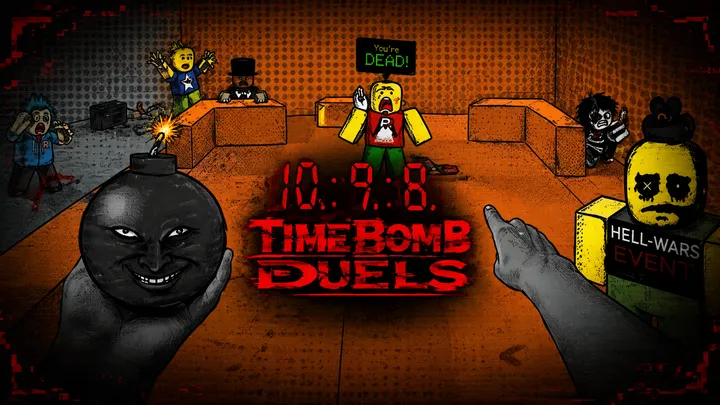





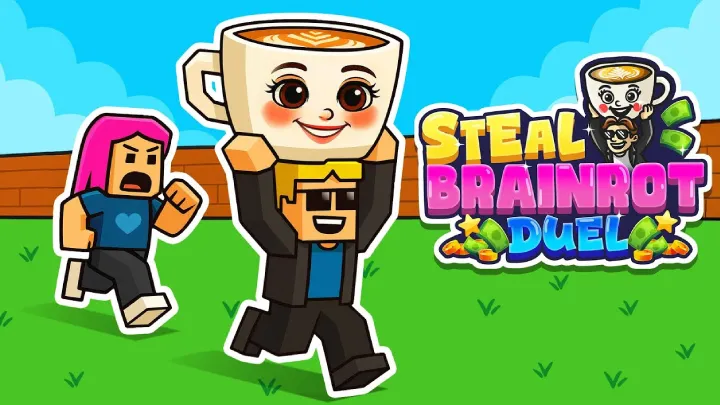
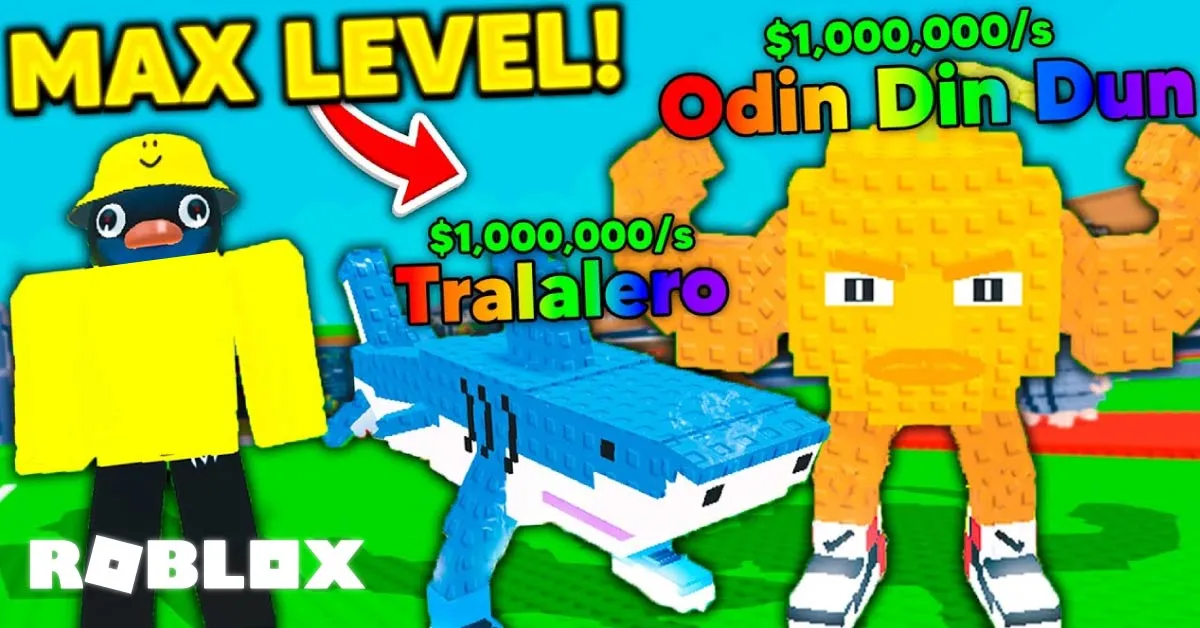
Among the countless Roblox experiences built around competition, progression, or skill mastery, Steal a Brainrotoccupies a strange and fascinating position. On the surface, it appears chaotic, unserious, even nonsensical. Yet beneath its absurd humor lies a surprisingly coherent system centered on one core idea: the social and temporal value of memes.
This article does not explain how to play the game, nor does it offer tips, guides, or strategies. Instead, it focuses deeply on a single topic within Steal a Brainrot: how “brainrot” functions as a form of currency over time, shaping player behavior, social dynamics, and meaning. By examining this system chronologically, the game can be understood as a satire of digital culture where value is unstable, stolen, and constantly redefined.
1. Entry Into Chaos: Immediate Exposure to Meaninglessness
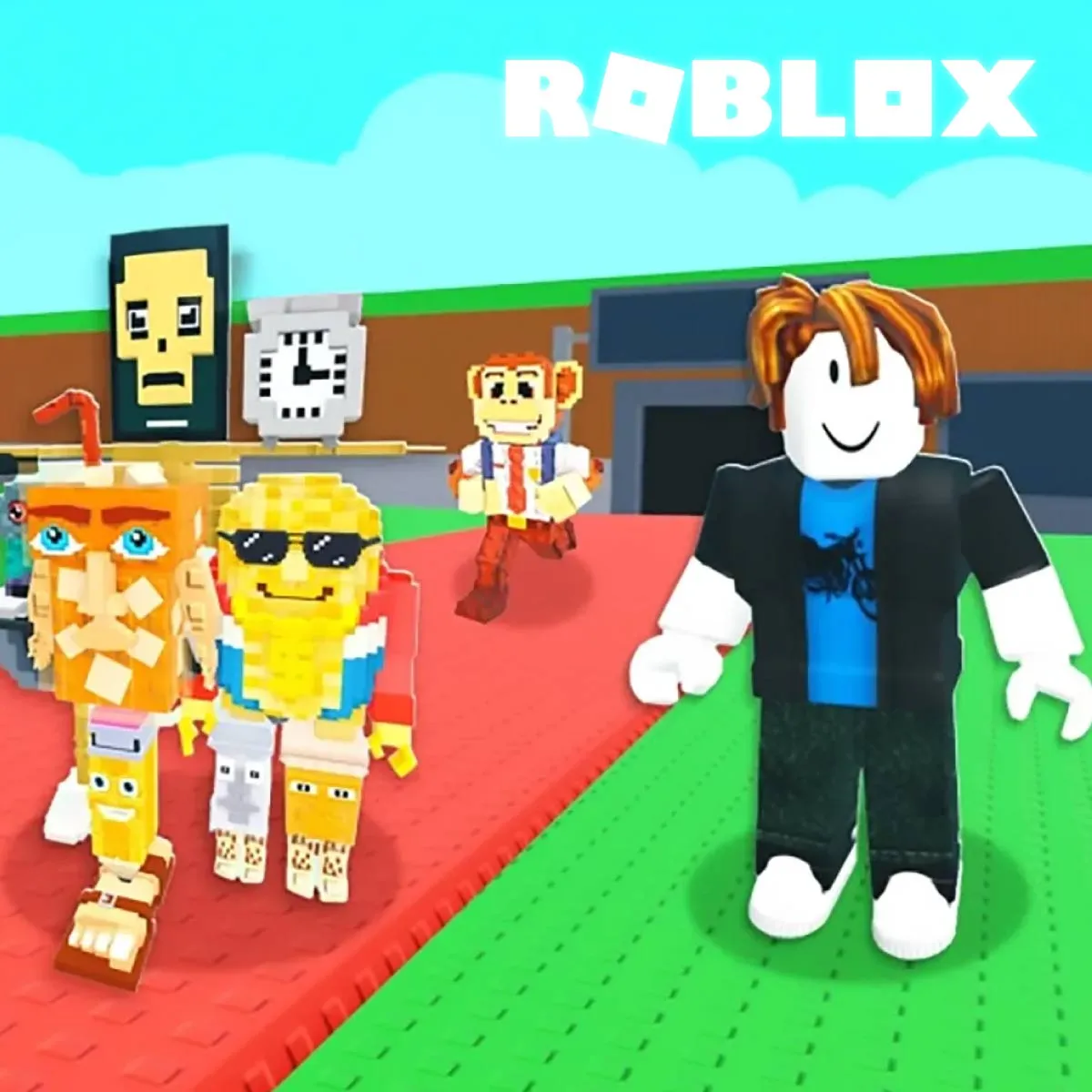
When players first enter Steal a Brainrot, they are not introduced to rules in a traditional sense. Instead, they are immersed in noise: exaggerated models, loud sounds, distorted memes, and erratic player movement.
At this stage, “brainrot” has no clear value. It exists as visual and auditory overload. The lack of explanation is intentional. The game begins by overwhelming players, forcing them to accept absurdity before understanding purpose.
Confusion as Design Language
By refusing clarity at the start, the game mirrors internet meme culture, where meaning often comes after exposure, not before.
2. Brainrot as Object: From Noise to Possession
As time passes, players begin to recognize that brainrot is not just background chaos—it is something that can be owned, stolen, and lost. The moment brainrot becomes an object, it gains meaning.
Ownership creates attachment. What was once meaningless noise now feels valuable simply because it belongs to the player. This transformation mirrors how digital content gains importance through personal association rather than intrinsic worth.
Possession Creates Value
The game demonstrates that value is not created by quality, but by exclusivity and control.
3. Theft as Core Interaction, Not Moral Choice
In Steal a Brainrot, stealing is not a deviation from the rules—it is the rules. The game removes moral framing entirely. There is no punishment narrative, no ethical commentary built into mechanics.
Because stealing is normalized, players quickly stop asking whether it is right and instead focus on timing, opportunity, and spectacle. Theft becomes performative rather than transgressive.
What Theft Represents
- Attention-seeking behavior
- Content recycling
- Viral appropriation
4. Early Social Behavior: Chaos Without Hierarchy
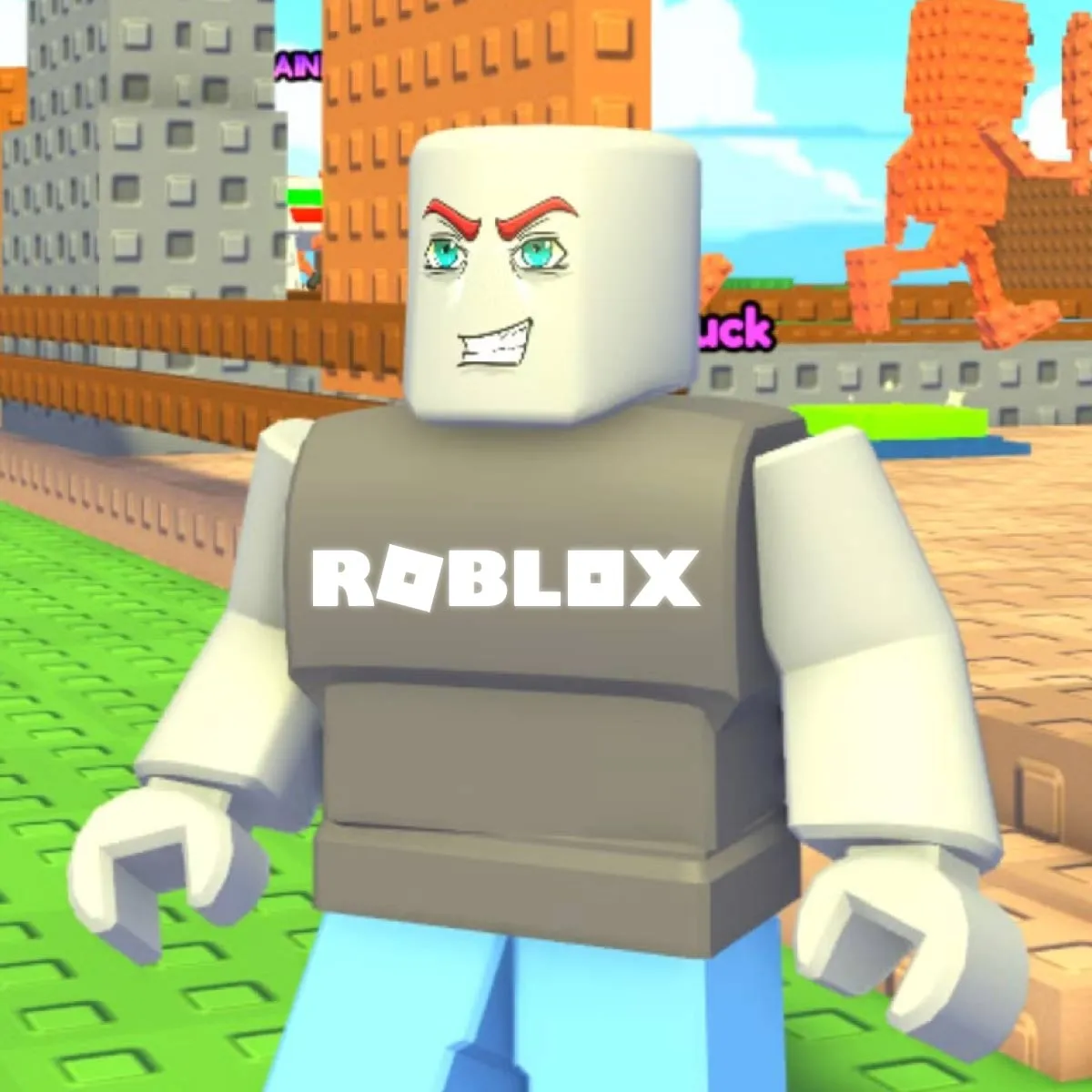
In the early phase of a session, social structure is minimal. Players run, collide, steal, and lose brainrot rapidly. No one holds power for long.
This lack of hierarchy creates a temporary equality. Everyone is vulnerable, and no achievement feels permanent. The game intentionally avoids early dominance to sustain volatility.
Equality Through Instability
By making loss frequent and recovery easy, the game resists long-term control.
5. Accumulation and the Illusion of Status
Over time, some players inevitably accumulate more brainrot than others. At this point, brainrot begins to act as a visible status symbol.
However, this status is unstable. High-value players attract attention, becoming targets rather than leaders. Visibility invites theft, turning success into vulnerability.
Why Status Is Fragile
- Visibility increases risk
- No protection is permanent
- Power invites chaos
6. Mid-Session Culture: Memes as Shared Language
As sessions continue, players stop reacting to individual memes and start reacting to patterns. Certain brainrot elements become recognizable symbols rather than jokes.
At this stage, the game functions as a shared cultural space. Players communicate through exaggerated movement, timing, and meme recognition rather than text or voice.
Collective Understanding Without Explanation
Meaning emerges socially, not mechanically. Players learn what matters by watching others.
7. Stealing as Performance and Spectacle
Later in a session, stealing becomes less about gaining brainrot and more about how it is done. Timing, surprise, and absurdity matter more than efficiency.
This shift transforms gameplay into spectacle. Players perform theft not to win, but to be seen. The act itself becomes content.
Performance Elements
- Dramatic chases
- Sudden reversals
- Chaotic group reactions
8. Emotional Detachment Through Repetition
As players experience repeated cycles of gain and loss, emotional attachment weakens. Brainrot is no longer precious—it is temporary.
This detachment is key to the game’s longevity. By discouraging long-term ownership, the game avoids frustration and encourages reckless behavior.
Freedom Through Meaninglessness
When nothing truly matters, players feel free to act without fear of loss.
9. End-Session Fatigue and Cultural Saturation
Near the end of a session, players often slow down. Not because the game becomes harder, but because the brainrot itself loses novelty.
This mirrors real internet culture, where memes burn bright and fade quickly. Saturation replaces excitement, and chaos gives way to indifference.
Signs of Saturation
- Less reactive movement
- Reduced chasing
- Passive observation
10. Steal a Brainrot as Digital Satire
Viewed as a whole, Steal a Brainrot operates as a satire of online attention economies. Brainrot represents viral content—loud, repetitive, easily stolen, and quickly devalued.
The game does not criticize this system directly. Instead, it recreates it in playable form, allowing players to experience the emptiness and energy of meme culture simultaneously.
A Game That Laughs Without Explaining the Joke
Its power lies in participation, not commentary.
Conclusion
Steal a Brainrot is not about winning, mastery, or progression. It is about the unstable value of digital culture, where ownership is temporary, theft is normalized, and meaning decays through repetition. By turning memes into currency and chaos into structure, the game reflects the logic of the internet itself—absurd, exhausting, and strangely compelling. What players steal is not just brainrot, but moments of attention in a system designed to forget them.