.webp)







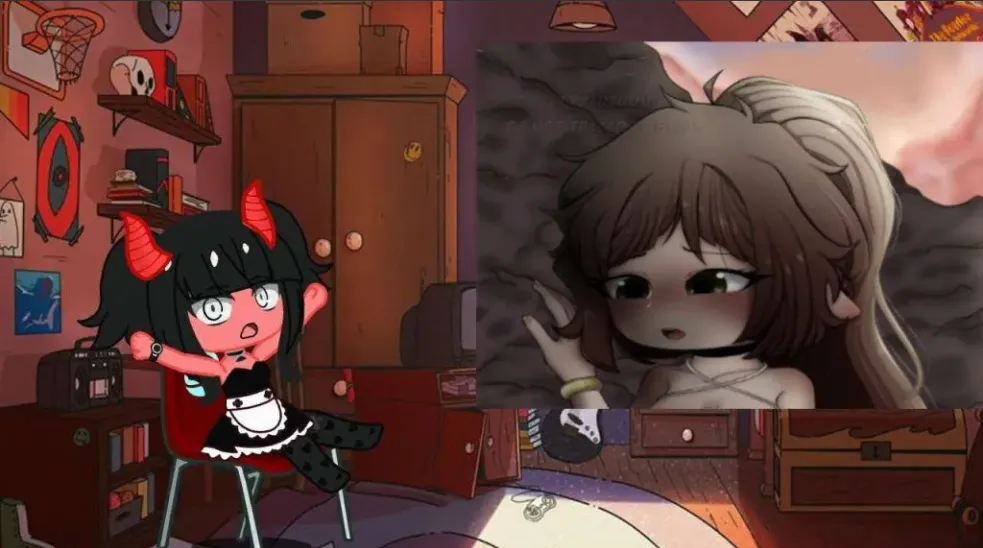
In Gacha Heat, many players quickly learn how to create characters, dress them up, and place them into scenes. However, a common “Tips & Guides” issue emerges after the basics: how to create compelling, high-quality storytelling scenes that feel immersive, consistent, and engaging over time.
Most players struggle not with tools, but with structure. They create random scenes without narrative flow, overload visuals with effects, or fail to maintain character consistency. The result is content that looks good at first glance but lacks depth and replay value.
This guide focuses deeply on how to build a complete storytelling system inside Gacha Heat, from character design to scene direction, pacing, emotional expression, and long-term narrative structure. By following this structured approach, you will transform your content from simple edits into meaningful, engaging visual stories.

Understanding Why Most Gacha Heat Stories Feel Repetitive
Before improving, you must understand the core issue. Most creators rely on visual variety rather than narrative structure.
They change outfits, backgrounds, or poses—but not the underlying story logic.
Common problems
• No clear story progression
• Characters act inconsistently
• Scenes exist without purpose
The real issue
The problem is not creativity—it is lack of system.
Key insight
Strong stories come from structure, not randomness.
Step One: Building a Core Story Concept Before Creating Anything
Every strong Gacha Heat project begins with a clear concept.
This acts as the foundation for all scenes.
Core concept elements
Theme
What is the story about?
Tone
Is it serious, emotional, dramatic, or comedic?
Conflict
What drives the story forward?
Example concept
• Theme: Friendship and betrayal
• Tone: Dramatic
• Conflict: Trust broken between characters
Without a concept, scenes feel disconnected.
Step Two: Designing Characters With Purpose and Depth
Characters are not just visuals—they are the heart of the story.
Character structure
Identity
Name, role, background
Personality
How they behave and react
Motivation
What they want
Relationship mapping
Create connections:
• Friends
• Rivals
• Family
Why this matters
Characters with depth create natural story progression.
Step Three: Creating a Visual Identity for Each Character
Consistency in design is crucial.
Visual identity elements
Color palette
Each character should have a consistent theme.
Outfit style
Reflect personality and role.
Design rules
• Avoid random outfit changes
• Maintain recognizable features
• Use variations, not replacements
Result
Viewers can instantly recognize characters.
Step Four: Structuring Scenes With Purpose
Every scene must serve a purpose.
Scene structure
Setup
Introduce context.
Action
Main interaction or conflict.
Outcome
Result or transition.
Example
• Setup: Characters meet
• Action: Argument begins
• Outcome: Relationship tension increases
Purpose-driven scenes create continuity.
Step Five: Mastering Camera Angles and Composition
Visual storytelling depends heavily on framing.
Camera techniques
Close-up
Focus on emotions.
Wide shot
Show environment and context.
Composition tips
• Center important elements
• Use depth to create realism
• Avoid cluttered scenes
Good composition enhances storytelling impact.

Step Six: Using Poses and Expressions Effectively
Expressions and poses are your primary storytelling tools.
Expression usage
• Match emotion to context
• Avoid overusing extreme expressions
Pose techniques
Natural positioning
Reflect realistic body language.
Dynamic poses
Enhance action scenes.
Key rule
Subtlety often creates stronger impact than exaggeration.
Step Seven: Controlling Scene Pacing and Flow
Pacing determines how your story feels.
Pacing types
Fast pacing
Quick transitions, high energy.
Slow pacing
Focus on emotion and detail.
Balancing pacing
• Alternate between fast and slow scenes
• Avoid dragging or rushing
Result
Smooth pacing keeps viewers engaged.
Step Eight: Adding Dialogue Without Overloading the Scene
Dialogue should support visuals—not replace them.
Dialogue rules
• Keep text concise
• Match tone with emotion
• Avoid unnecessary exposition
Effective dialogue structure
• One key message per scene
• Clear emotional intent
Common mistake
Overloading scenes with text reduces impact.
Step Nine: Maintaining Consistency Across Episodes
Consistency is what separates good creators from great ones.
Consistency elements
• Character behavior
• Visual design
• Story progression
Tracking system
Keep notes of:
• Relationships
• Events
• Character development
Benefit
Consistency builds audience trust.
Step Ten: Building Long-Term Story Arcs
Short scenes are good, but long-term arcs create real engagement.
Types of arcs
Character arc
Personal growth.
Relationship arc
Changing dynamics between characters.
Conflict arc
Major story progression.
Arc structure
- Introduction
- Development
- Climax
- Resolution
Why arcs matter
They give your story direction and purpose.
Conclusion
Creating compelling content in Gacha Heat goes far beyond designing characters or placing them in scenes. It requires a structured approach to storytelling that combines strong concepts, meaningful character design, purposeful scene construction, effective visual techniques, controlled pacing, and long-term narrative planning. By focusing on consistency, emotional depth, and strategic scene development, creators can transform simple edits into immersive stories that capture and retain audience attention. With practice and discipline, this system becomes intuitive, allowing you to produce high-quality content that stands out and continues to evolve over time.