.webp)






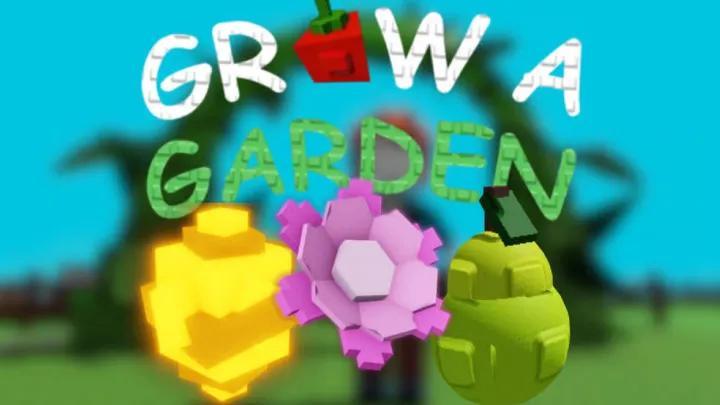
Grow a Garden starts as a simple farming experience, but over time, the difference between casual players and advanced players becomes clear. It is not about planting more—it is about optimizing everything. This article explains how players can transform small gardens into efficient systems through planning, scaling, and smart decisions.
1. From Playing to Optimizing
At first, players focus on actions.
Later, they focus on outcomes.
Early Mindset
- Plant anything available
- Harvest whenever ready
Shift
Think in efficiency, not activity.
2. Understanding Output per Tile
Space is limited.
Each tile must produce value.
Optimization Metric
- Profit per tile
- Growth time vs reward
Core Insight
Maximize output, not quantity.
3. Crop Rotation Strategy
Using the same crop repeatedly is inefficient.
Different crops serve different purposes.
Smart Rotation
- Fast crops for quick income
- Slow crops for high profit
Strategy Rule
Balance short-term and long-term gains.
4. Layout as a System
Random planting creates chaos.
Structured layout creates flow.
Efficient Layout
- Group crops by type
- Minimize movement distance
Benefit
Faster harvesting and replanting.
5. Upgrade Timing Optimization
Upgrades should accelerate growth.
Poor timing slows progress.
Upgrade Strategy
- Invest when ROI is clear
- Avoid impulsive spending
Key Insight
Upgrades should reduce future effort.
6. Minimizing Idle Time
Empty tiles reduce efficiency.
Idle time equals lost progress.
Optimization Habits
- Replant immediately
- Plan harvest cycles
Rule
Always keep the system active.
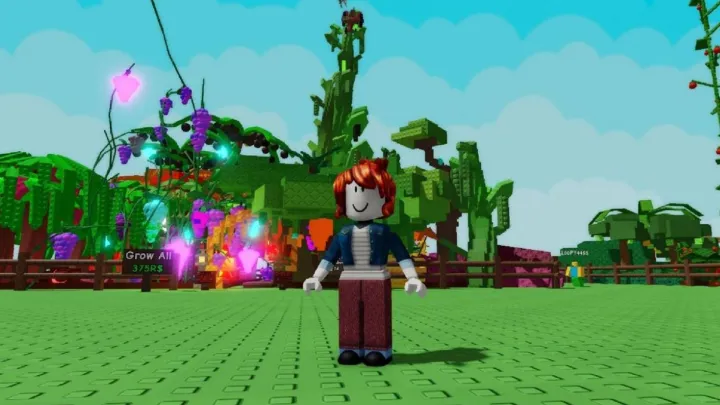
7. Scaling the Garden
Growth should be controlled.
Expanding too fast creates inefficiency.
Scaling Strategy
- Expand after stabilizing layout
- Maintain organization
Long-Term Advantage
Stable growth prevents chaos.
8. Economic Discipline
Coins must be used strategically.
Spending Priorities
- Growth upgrades
- Efficiency improvements
Avoid
- Early cosmetic spending
Insight
Economy fuels optimization.

9. Micro-Optimization in Late Game
Small improvements matter more later.
Micro Improvements
- Faster harvesting routes
- Better crop combinations
Advanced Insight
Tiny gains stack over time.
10. The Optimization Mindset
Top players stop asking:
“What should I plant?”
They ask:
“What gives the best return?”
Pro Habits
- Track efficiency
- Adjust strategies
- Reduce waste
Final Insight
Optimization creates long-term dominance.
Conclusion
Grow a Garden is not just about farming—it is about optimization. Players who treat their garden as a system rather than a collection of plants will always progress faster and more consistently. In the long run, efficiency, planning, and scaling define success.