Title How to Play Monument Valley 3 A Complete Guide for Beginners
Monument Valley 3 continues the legacy of the award winning puzzle adventure series known for its surreal landscapes, optical illusions, emotional storytelling, and elegant design. Unlike many puzzle games that rely on difficulty spikes, Monument Valley focuses on creating a meditative experience where players guide characters through impossible architecture. In this How To guide, you will learn how to understand the mechanics, solve illusion based puzzles, navigate levels, explore symbolism, and master the techniques needed to progress confidently in Monument Valley 3.
This guide breaks down the process into ten structured stages arranged in logical time order from preparing to play to mastering advanced strategies. Each section offers detailed explanations that help you enjoy the game deeply rather than simply pass through it. Whether you’re new to Monument Valley or returning from earlier titles, this complete walkthrough will serve as both a tutorial and a companion to your journey.
Understanding the Essence of Monument Valley 3
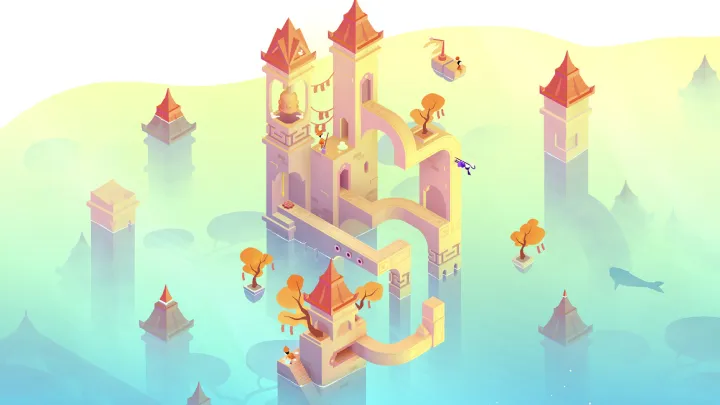
Monument Valley 3 is not just a puzzle game but an interactive piece of artwork. Before learning how to solve its challenges, you must first understand its design philosophy. This game invites players to slow down, observe their surroundings, and appreciate architectural illusions inspired by M C Escher and minimalist art. The game world is meant to be manipulated, turned, twisted, expanded, or contracted as you alter structures to reveal new paths.
Approach each scene with the mindset of exploration. Every tower, staircase, door, and bridge has purpose even when it seems illogical. The visual style encourages you to look at each level not as a battlefield to conquer but as a sculpture to study. Once you understand this mindset, the puzzles feel like natural progressions instead of obstacles.
Monument Valley 3 preserves the emotional storytelling pattern of previous games, blending abstract narrative with environmental symbolism. Instead of linear storytelling, the meaning emerges from the spaces, character interactions, and visual metaphors. Knowing this will help you connect more deeply with each moment in the journey.
How to Start Your Adventure
Beginning Monument Valley 3 is simple, but playing it effectively requires attention. Start by familiarizing yourself with the touch controls. Most interactions involve tapping to move, dragging to rotate structures, sliding to shift platforms, or zooming to adjust perspective. Spend time on the early levels practicing these mechanics before rushing ahead.
Observe how the environment responds to your gestures. In Monument Valley, everything is intentional. A platform might move only when dragged a certain direction. A pillar may rotate in unexpected ways. Slow experimentation early on helps you recognize recurring mechanics that appear later in more complex puzzles.
Lastly, set the right atmosphere to play. This game rewards calmness. Use headphones to enjoy the sound design, and play in a quiet place where you can take time studying details. You will enjoy Monument Valley 3 more when you allow yourself to fully immerse in its audiovisual world.
Learning to See the Impossible
The core of Monument Valley 3 is optical illusion. To understand how to progress, you must learn to see the impossible. This means recognizing when structures appear disconnected but are actually connected when viewed from certain angles. Pathways that look broken may align perfectly once rotated.
Practice following these principles
Look for areas where perspective may join two objects
Rotate platforms to reveal hidden bridges
Check shadows and edges for alignment cues
Observe small shifts in architecture after interactions
Monument Valley 3 trains your visual perception step by step. The more puzzles you solve, the more natural optical illusions become. Eventually, you will begin predicting how structures might connect even before rotating them. This shift in perception is key to mastering the game.
Remember that impossible geometry is not a trick but a central mechanic. The rules of real world physics do not apply. If something looks like it might work from a certain angle, try it. You will often be surprised at how simple the solution becomes once you adjust your viewpoint.
Navigating Characters and Companions
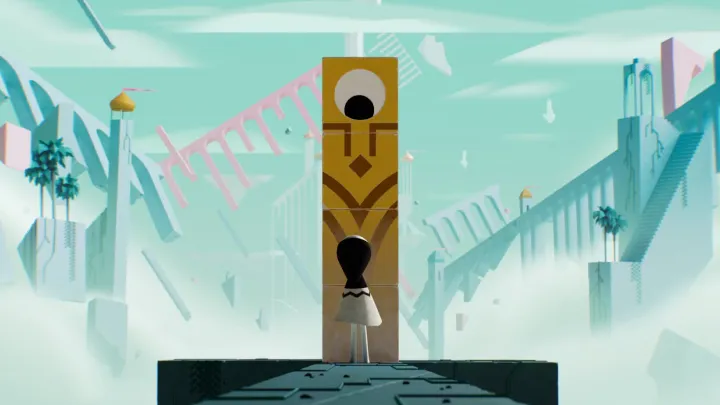
Monument Valley 3 introduces emotional depth through character interactions. You may guide a primary character as well as companions. Understanding how characters move and respond is essential for solving puzzles that require synchronisation.
Characters typically follow the path closest to their position. If a path is too far or blocked by an illusion, adjusting the environment becomes necessary. Some levels require characters to step on switches simultaneously or take alternate routes that later converge. Carefully observing how each character reacts to your commands helps you progress without frustration.
Companions often symbolize emotional themes or narrative relationships. While not required to understand gameplay, recognizing their symbolic role enriches the overall experience. Treat every level not only as a puzzle but as a conversation between the characters and the spaces they inhabit.
How to Use Architectural Mechanisms
Mechanisms form the backbone of Monument Valley 3 gameplay. You will encounter rotating platforms, elevating columns, sliding bridges, and perspective shifting structures. To use these effectively, learn to observe how each mechanism affects the world.
Spend time experimenting with movement ranges. For example, some rotating sections turn only ninety degrees, while others rotate freely. Some platforms slide along rails, while others shift entire structures. Understanding these patterns will allow you to solve later puzzles with fewer attempts.
Different mechanisms often interact. Rotating one platform may move another. Elevating a pillar might unlock a bridge. Approach each puzzle with patience, exploring all possible combinations before concluding a path is impossible. Monument Valley rewards curiosity and thoroughness.
Developing Problem Solving Strategies
To progress confidently, you need strategies rather than random guessing. Monument Valley 3 encourages structured problem solving.
Useful strategies include
Study the entire level before acting
Identify movable objects by testing them
Trace possible character paths in your mind
Use rotation to search for hidden alignments
Redo actions slowly to confirm understanding
Patience is essential. Unlike traditional puzzles, Monument Valley does not punish you for experimenting. Reattempting interactions helps you uncover subtle mechanics you may have missed. Over time, you develop intuition about which objects are interconnected.
When you become stuck, walk through the level mentally rather than tapping randomly. Ask yourself what the game is teaching in that moment. Each stage introduces or reinforces a mechanic. Recognizing that mechanic helps you see the intended solution more clearly.
How to Interpret Symbolism and Themes
Monument Valley 3 continues the series tradition of embedding emotion into architecture. To fully appreciate the experience, learn to interpret symbolism. For example, rising platforms may represent personal growth, while descending towers could symbolize introspection. Companions might reflect relationships or memories.
Themes often unfold visually rather than through dialogue. Watching how environments transform as you progress tells a story of change, healing, or rediscovery. Understanding these subtle cues enriches your emotional engagement and deepens your appreciation for each puzzle.
Interpreting themes is not required to complete the game, but it enhances immersion. Monument Valley is designed as a narrative through design rather than words. When you think of each level as a metaphor, it becomes more than a puzzle it becomes an experience.
Overcoming Difficult Levels
Even experienced players can get stuck. When you encounter difficult stages, follow a structured method to overcome them.
Reevaluate the environment
Check if any movable platforms were overlooked
Rotate structures fully in both directions
Zoom out to see hidden pathways
Test character movement in all directions
If frustration builds, take a short break. Monument Valley puzzles often become clearer after stepping away for a moment. The game is built to encourage clarity, not stress. Returning with a calm mind helps you notice details you previously ignored.
Some of the hardest levels combine multiple mechanics at once. Rather than trying to solve everything at once, divide the puzzle into smaller pieces. Identify and complete the simplest mechanism first, then build upward from there. Breaking complexity into segments makes the puzzle manageable.
Mastering Advanced Puzzle Techniques
As you approach later levels, the game will introduce increasingly complex architectural illusions. Advanced mastery requires blending all your previously learned skills rotating structures, observing perspective, predicting movement, and interpreting narrative flow.
Advanced tips include
Previsualize how geometry might change when rotated
Look for patterns from earlier levels reappearing
Remember that perspective can create entirely new paths
Trust that every design detail has purpose
You will start recognizing the designer’s logic, making it easier to anticipate how puzzles behave. This becomes especially helpful in finales that blend emotional storytelling with complex geometry. Mastery transforms the game into an intuitive dance between you and the architecture.
Final Steps and How to Enjoy the Ending
Monument Valley 3 delivers an ending designed to feel peaceful and reflective. Approaching the final levels with patience enhances your emotional experience. These stages often allow you to slow down, observe beautiful scenery, and appreciate the symbolism that connects the story together.
As you complete the final puzzles, take time to reflect on your journey. Monument Valley is not a game to rush. The ending gains meaning from the thoughtfulness you bring to it. Enjoy the music, the visuals, and the gentle resolution of the narrative.
Once you finish, you can revisit earlier levels to see how your perception has changed. What once seemed mysterious becomes understandable. Monument Valley 3 is built to be experienced more than once, and your newfound mastery will reveal new details each time.
Conclusion
Learning how to play Monument Valley 3 is about more than beating puzzles it is about understanding perspective, appreciating art, and discovering emotional storytelling within architecture. With patience, observation, and curiosity, every player can enjoy the magical world the developers created. This guide prepares you for the journey from your first steps to final mastery, making your adventure through impossible landscapes more meaningful and enjoyable.
Summary
A complete how to guide for Monument Valley 3 covering mechanics, illusions, strategies, themes, and step by step tips to master puzzles and enjoy the emotional journey.