







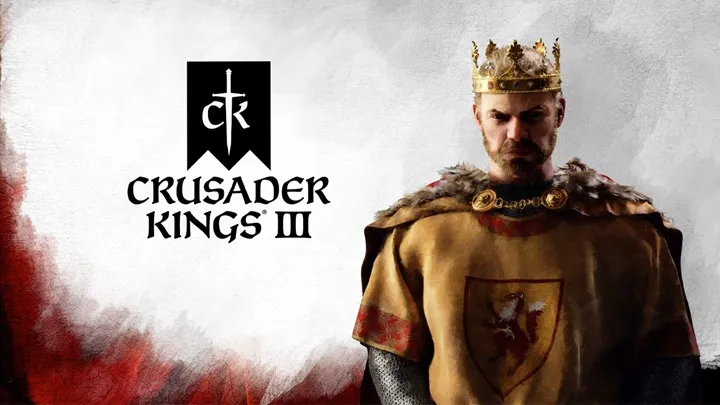
Crusader Kings III is a deep and complex hot game that blends grand strategy with character-driven roleplaying. Instead of controlling a nation directly, players guide a medieval dynasty across generations, managing politics, war, religion, and personal relationships. Learning how to think like a ruler rather than a general is essential to long-term success.
Unlike traditional strategy games focused purely on conquest, Crusader Kings III thrives on drama, intrigue, and human flaws. This article explores the game from beginner concepts to advanced mastery, explaining why it remains one of the most compelling hot game experiences in modern strategy gaming.
1. Introduction to Crusader Kings III and Its Unique Vision
Crusader Kings III immediately stands out by placing characters at the center of strategy. Every ruler has traits, ambitions, fears, and secrets that shape the fate of the realm.
This approach makes the game a hot game because players must learn how to manage personalities, not just armies. A weak king with strong allies may survive longer than a powerful tyrant.
The result is a living medieval world where stories emerge naturally through gameplay.
2. How to Begin Your First Dynasty
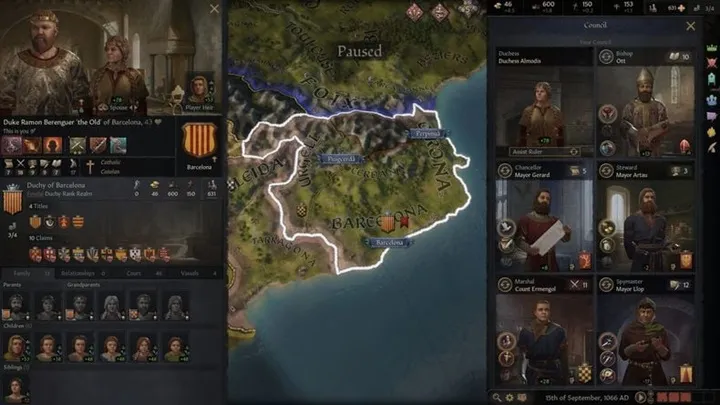
Starting Crusader Kings III can feel overwhelming, but the early game is designed to teach core systems gradually. Choosing a beginner-friendly ruler helps ease the learning curve.
Learning how to manage succession, titles, and vassals early prevents disaster. Even small mistakes can echo across generations.
Beginner tips:
- Start with a stable realm
- Secure a strong marriage
- Avoid early large wars
A solid foundation ensures dynastic survival.
3. Core Gameplay Mechanics Explained
The core mechanics of Crusader Kings III revolve around character management, feudal obligations, and long-term planning. Gold and armies matter, but relationships often matter more.
Understanding how to balance authority and diplomacy keeps realms stable. Ignoring vassal opinions can lead to rebellion.
Key systems include:
- Opinion and relationships
- Titles and succession laws
- Levies and men-at-arms
These systems intertwine deeply.
4. Characters, Traits, and Roleplaying Depth
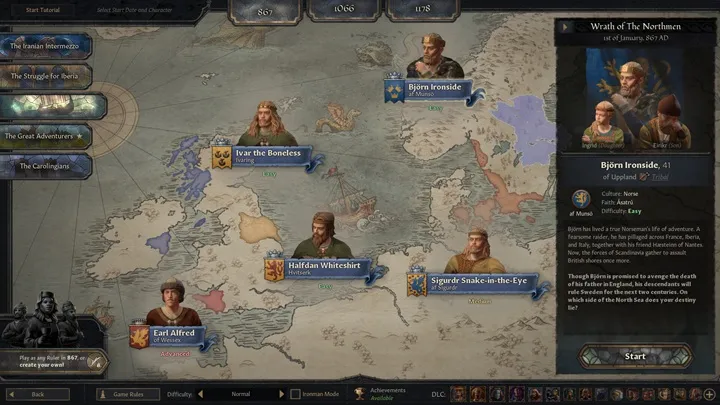
Every character in Crusader Kings III has traits that influence decisions and outcomes. Brave rulers fight boldly, while deceitful ones thrive on schemes.
Learning how to roleplay based on traits enhances immersion and effectiveness. Acting against character nature often leads to stress and penalties.
Common trait impacts:
- Diplomacy-focused rulers excel at alliances
- Martial leaders dominate warfare
- Intrigue specialists manipulate rivals
Characters drive the narrative.
5. How to Manage Titles, Vassals, and Succession
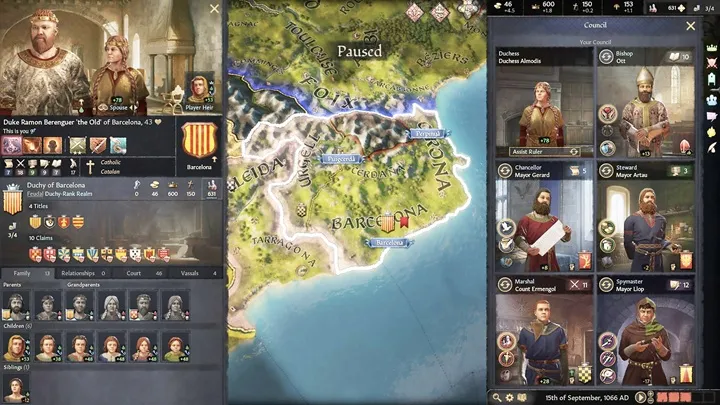
Managing titles is one of the most challenging aspects of Crusader Kings III. Poor succession planning can shatter a realm overnight.
Knowing how to control inheritance laws is crucial. Many beginners lose land when rulers die.
Title management strategies:
- Limit excessive heirs
- Grant titles strategically
- Maintain vassal loyalty
Succession defines continuity.
6. Why Crusader Kings III Is a Hot Game
Crusader Kings III earns its reputation as a hot game by offering unmatched storytelling potential. No two campaigns are alike.
Players learn how to embrace failure as part of the narrative. Losing a war or throne can lead to even more interesting stories.
Reasons for popularity:
- Deep roleplaying systems
- Endless replayability
- Player-driven narratives
Every campaign becomes a legend.
7. Warfare, Diplomacy, and Strategic Expansion
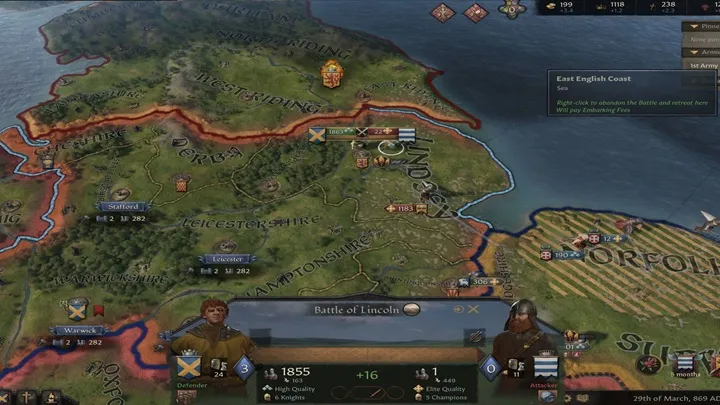
Warfare in Crusader Kings III is not just about numbers. Terrain, commanders, and morale influence outcomes.
Learning how to choose battles wisely prevents unnecessary losses. Sometimes diplomacy is stronger than swords.
Expansion methods:
- Military conquest
- Strategic marriages
- Claims and intrigue
Smart rulers expand without constant war.
8. Religion, Culture, and Internal Stability
Religion and culture play major roles in Crusader Kings III. Differences can spark unrest or opportunity.
Understanding how to manage religious conversion and cultural acceptance improves stability.
Cultural strategies:
- Promote cultural unity
- Tolerate diversity carefully
- Use faith to legitimize rule
Internal harmony strengthens empires.
9. How to Handle Intrigue, Schemes, and Secrets
Intrigue adds danger and excitement to Crusader Kings III. Secrets can destroy reputations or secure power.
Learning how to protect against assassination is as important as plotting against enemies.
Intrigue tactics:
- Use spymasters wisely
- Keep secrets hidden
- Eliminate rivals discreetly
Power often hides in shadows.
10. Long-Term Mastery and Dynasty Legacy
Mastery in Crusader Kings III comes from thinking in generations, not years. Every decision shapes the dynasty’s future.
Players who learn how to balance ambition with stability build lasting legacies.
Reasons for long-term appeal:
- Deep dynastic systems
- Constantly evolving challenges
- Emergent storytelling
Legacy defines victory.
Conclusion: Why Crusader Kings III Remains Unmatched
Crusader Kings III stands as a hot game because it transforms strategy into storytelling. By learning how to rule people instead of territory, players experience medieval history as a living drama. It is not just a game of conquest, but a saga of ambition, betrayal, and legacy.