





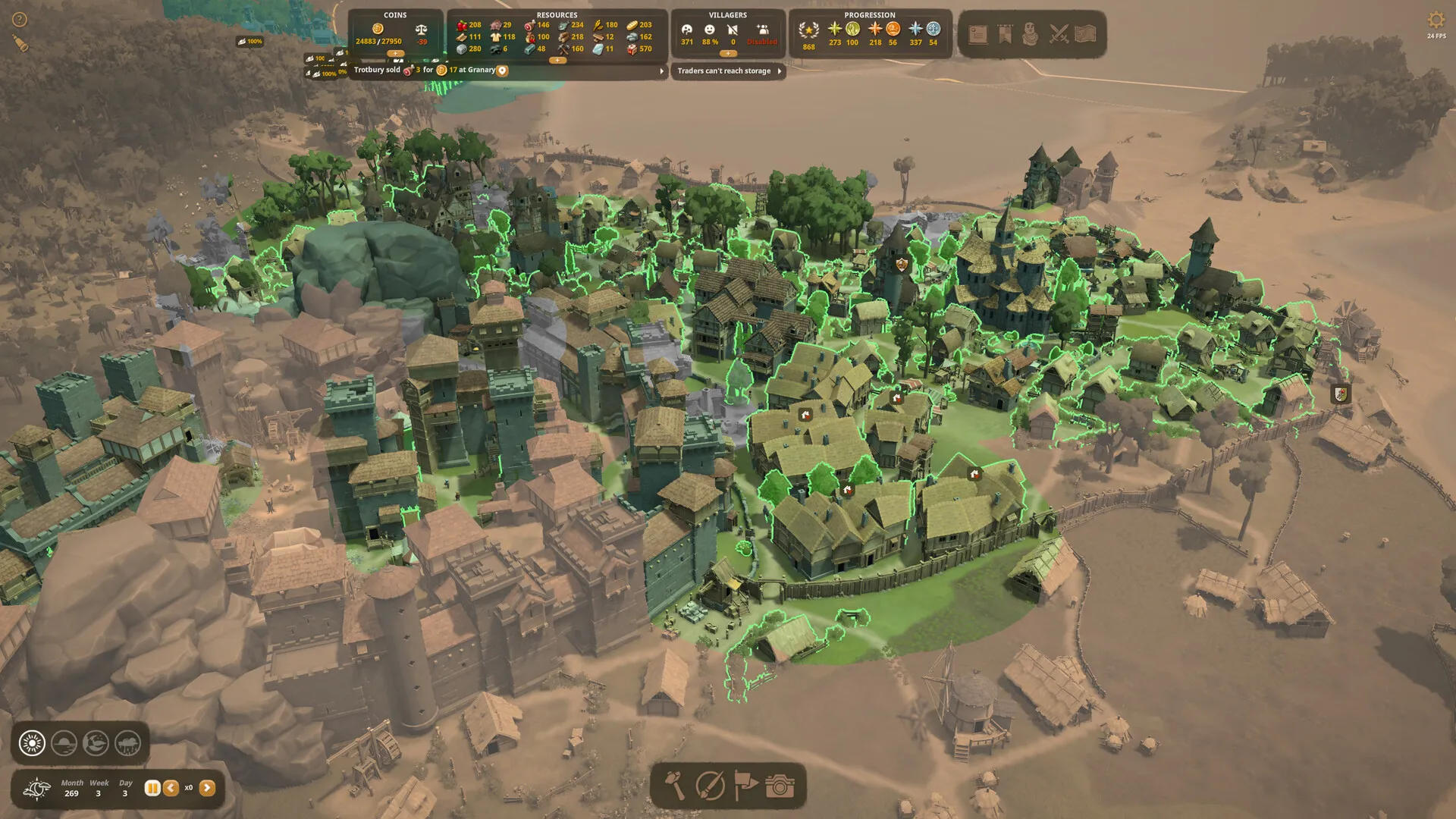
Foundation rejects traditional grid-based placement in favor of free-form zoning. Roads, housing, and production areas emerge naturally based on player-defined zones and villager behavior. This means early decisions have long-term consequences.
Players should resist the urge to over-control the city. Instead, guide development by setting logical zones and letting paths form naturally. This approach leads to more efficient layouts and visually appealing towns.
Systems Interdependence
Every system in Foundation is interconnected. Food affects happiness, happiness affects immigration, immigration affects labor availability, and labor affects production speed. Ignoring one system will eventually destabilize the entire city.
Understanding this interdependence early allows you to anticipate problems rather than react to them after damage has already occurred.
Choosing the Right Starting Location
Resource Proximity Matters
At the beginning of the game, your starting location determines the efficiency of your first several hours. Prioritize areas with:
- Nearby forests for lumber
- Fertile land for farming
- Stone deposits within walking distance
- Water access for aesthetics and expansion
Long travel distances dramatically reduce productivity in the early game.
Terrain and Expansion Potential
Avoid cramped valleys or steep terrain early on. Flat land allows smoother organic expansion and cleaner road networks. Hills can be useful later for landmarks but slow early development.
Choosing an open area gives you flexibility when population growth accelerates.
Early Housing and Population Management
Controlled Population Growth
One of the most common mistakes new players make is building too many houses too quickly. Each new house attracts immigrants, increasing food and job demands.
It is better to:
- Build housing slowly
- Ensure jobs and food are available before expanding
- Maintain a small labor surplus
This keeps happiness stable and prevents resource shortages.
Housing Placement Strategy
Houses should be placed near workplaces but not directly inside industrial zones. This reduces commute time without exposing residents to negative desirability modifiers.
Let paths form naturally between homes and workplaces rather than forcing road layouts.
Food Production and Sustainability
Early Food Priorities
Food is the backbone of your settlement. Without a stable supply, population growth halts and happiness declines.
Early-game food priorities:
- Berries and hunting for immediate supply
- Farms for long-term stability
- Bread production once wheat farming is established
Diversifying food sources protects against seasonal shortages.
Managing Farm Efficiency
Farm zoning is flexible, but size and location matter. Larger farms increase yield but require more workers. Place farms close to granaries to reduce transport delays.
Rotating expansion between farms and housing ensures balance between production and consumption.
Production Chains and Resource Flow
Understanding Basic Production Chains
Foundation’s production chains are simple individually but complex collectively. For example:
- Wood → Planks → Tools
- Wheat → Flour → Bread
- Stone → Construction materials
Each link requires labor, transport, and storage.
Optimizing chains means minimizing travel distance and avoiding labor bottlenecks.
Avoiding Overproduction
Overproduction wastes labor and storage space. Monitor your resource panels regularly and pause buildings that are no longer needed.
Efficient cities produce just enough to meet demand, freeing workers for new industries.
Managing Labor and Villager Roles
Assigning Jobs Strategically
Every villager is valuable. Idle villagers represent wasted potential, while overworked systems create shortages elsewhere.
Best practices:
- Maintain 5–10% idle population
- Prioritize food and construction jobs
- Pause luxury production during shortages
Flexibility is key to long-term stability.
Promotions and Social Roles
As your settlement grows, new roles like Clergy and Administrators emerge. These roles do not produce resources directly but unlock powerful bonuses.
Plan housing and education early to support future promotions without destabilizing your workforce.
Trade, Gold, and Economic Stability
Unlocking Trade Routes
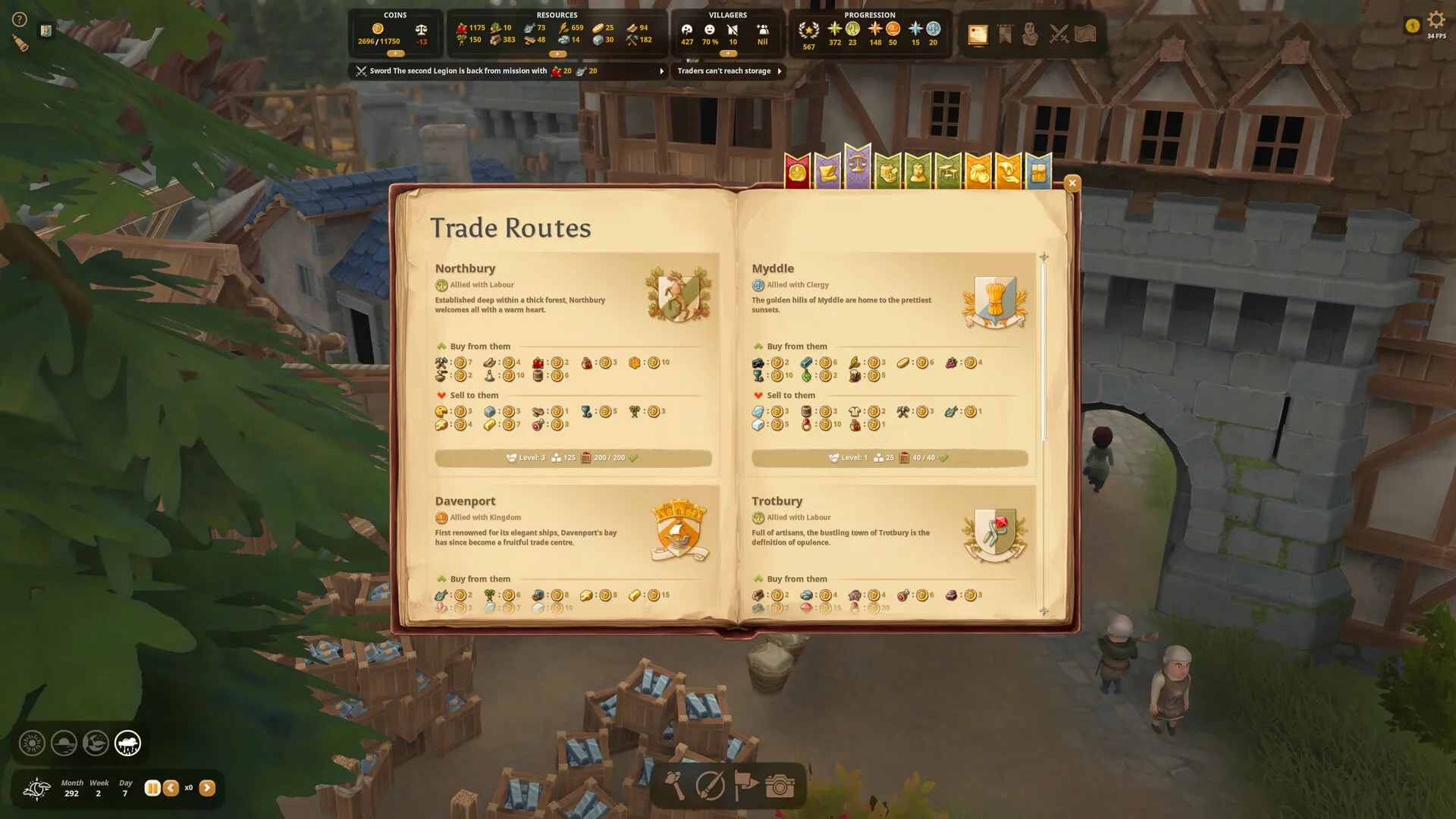
Trade becomes essential once your city expands beyond subsistence. Export surplus goods and import rare or labor-intensive resources.
Ideal early trade goods include:
- Planks
- Tools
- Bread
Trade stabilizes income and smooths resource fluctuations.
Gold Management
Gold is required for:
- Unlocking buildings
- Maintaining certain services
- Advancing progression tiers
Avoid spending gold impulsively. Always maintain a reserve for emergencies and upgrades.
Military Presence and City Safety
Understanding Military Mechanics
Foundation does not feature direct combat, but military buildings provide influence, progression, and kingdom standing.
Barracks and fortifications:
- Increase splendor
- Unlock progression paths
- Support late-game objectives
Build military infrastructure gradually rather than all at once.
Strategic Placement
Military buildings benefit from elevation and visibility. Place them on hills or near city entrances for maximum aesthetic and strategic value.
They also serve as powerful landmarks that shape city growth.
Splendor, Progression, and Unlocks
Splendor Categories Explained
Splendor is divided into categories such as:
- Kingdom
- Labor
- Clergy
Each category unlocks unique buildings and bonuses. Balanced development across categories ensures steady progression.
Ignoring one category can stall your advancement entirely.
Planning Unlock Paths
Review unlock trees before spending splendor points. Some buildings unlock chains of upgrades, while others are situational.
Choose unlocks that support your current needs rather than future ambitions too early.
Late-Game Optimization and Expansion
Refining City Layouts
In the late game, efficiency improvements matter more than expansion. This includes:
- Shortening transport routes
- Consolidating storage
- Removing obsolete buildings
Minor layout changes can significantly boost productivity.
Long-Term Stability
A stable late-game city has:
- Food surplus
- Balanced labor
- Diverse economy
- High happiness
At this stage, aesthetic improvements and landmark construction become viable without risking collapse.
Conclusion
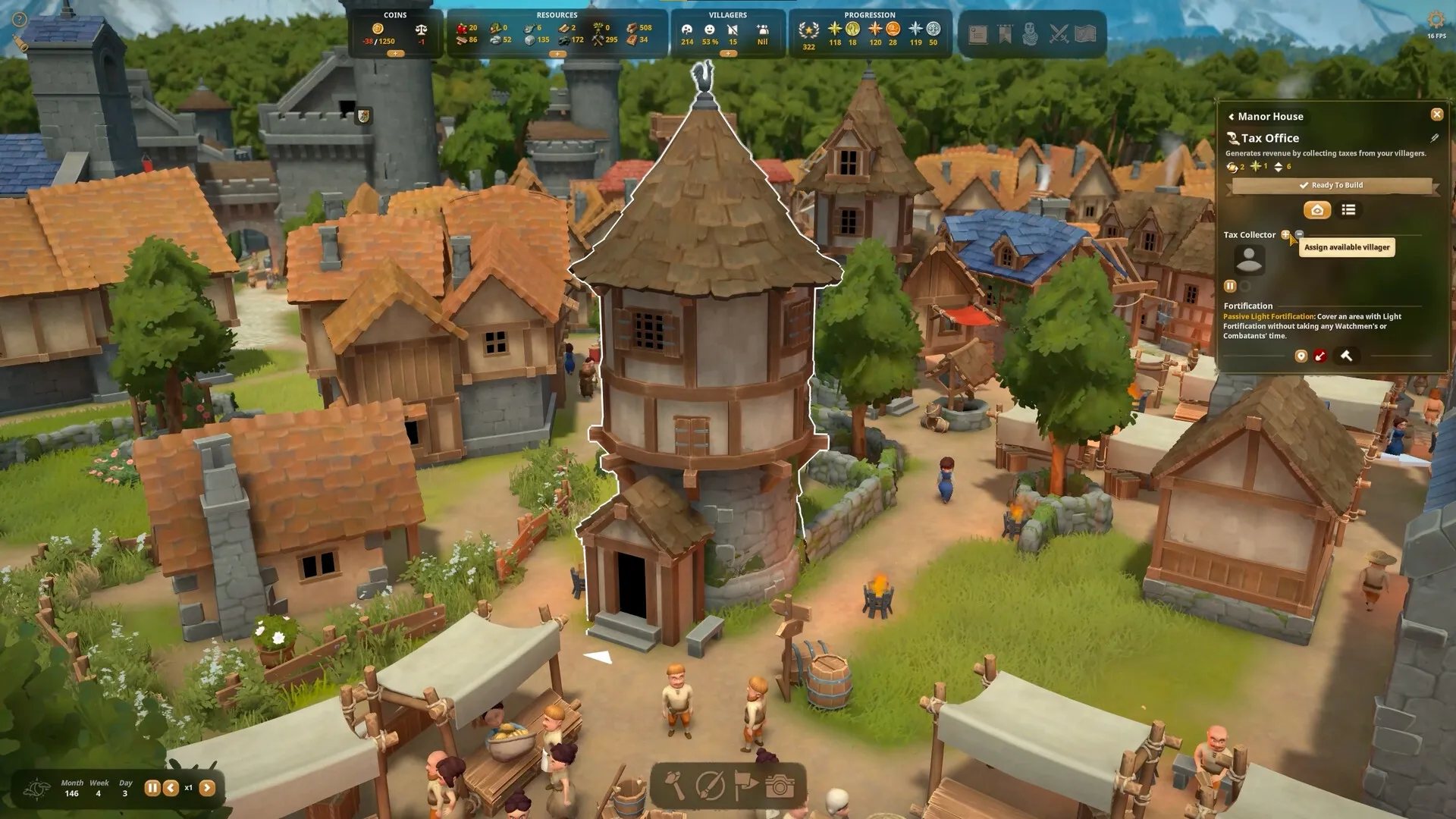
Foundation rewards patience, foresight, and adaptability. Unlike rigid city builders, it thrives on organic growth shaped by subtle player guidance rather than strict control. Success comes from understanding systems, respecting balance, and making deliberate decisions at every stage of development.
By following these tips and guides, players can avoid common early mistakes, stabilize mid-game growth, and create thriving medieval settlements that are both efficient and visually impressive. Foundation is not about perfection—it is about evolution.