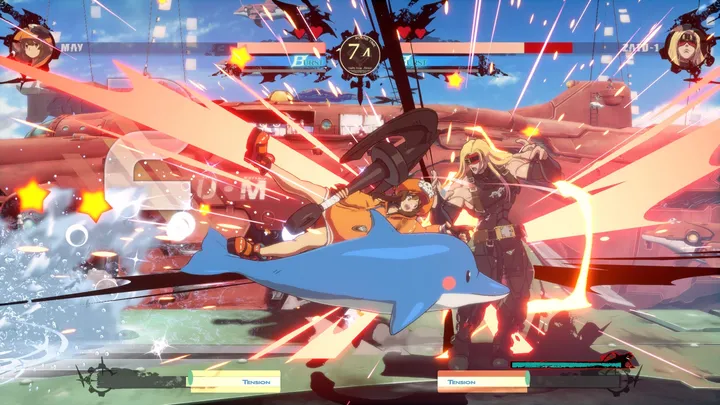
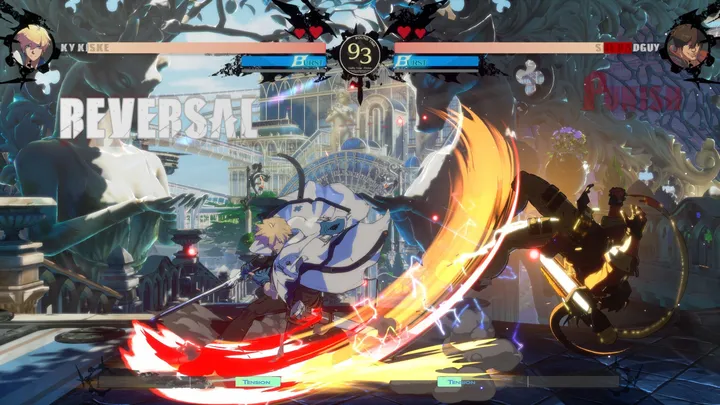
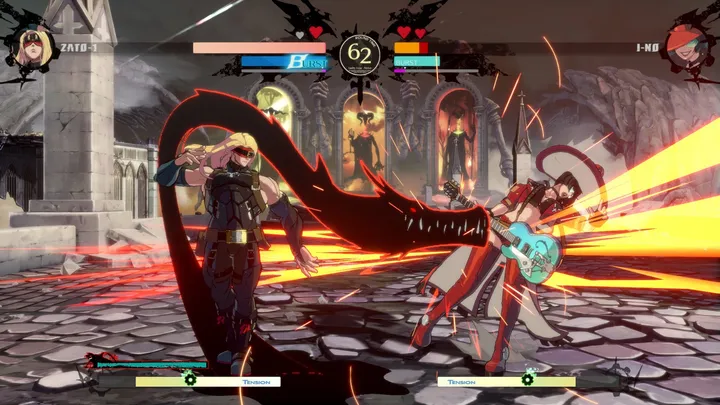
.webp)








GUILTY GEAR -STRIVE- is one of the most visually stunning and mechanically rewarding fighting games available today. Developed by Arc System Works, the game combines fast-paced anime-style combat with deep strategic mechanics that reward precision, creativity, and smart decision-making. While STRIVE is more approachable than previous entries in the Guilty Gear series, it still offers an incredibly high skill ceiling for players willing to master its systems.
Unlike many fighting games that rely heavily on long combo execution, GUILTY GEAR -STRIVE- emphasizes strong neutral play, resource management, frame advantage, and reading your opponent. Every round is a mental battle where positioning, timing, and adaptation often matter more than flashy combos. Whether you're a complete beginner or an experienced fighting game veteran, understanding the game's core mechanics is essential for climbing the online tower and competing against stronger opponents.
This guide follows the natural progression of improvement, beginning with fundamental mechanics before advancing into character mastery, advanced offensive strategies, defensive techniques, matchup knowledge, and long-term competitive growth.
1. Understanding the Core Gameplay Mechanics
Every successful player begins by understanding the systems that make STRIVE unique. While the controls are relatively straightforward, mastering how every mechanic interacts requires time and practice.
Unlike traditional button-mashing games, STRIVE rewards thoughtful decision-making. Every attack carries advantages, disadvantages, and potential counterplay.
Basic Match Flow
Each round generally follows this pattern:
- Establish neutral positioning
- Win neutral exchanges
- Convert hits into combos
- Apply offensive pressure
- Defend against opponent mix-ups
- Control meter usage
- Finish the round efficiently
Players who understand this flow naturally make better decisions throughout each match.
Core Objective
Rather than simply attacking constantly, your goal is to control space while forcing your opponent into uncomfortable situations.
Winning neutral consistently often matters more than landing difficult combos.
2. Choosing Your Main Character
Character selection has a major impact on your learning experience.
Every fighter possesses unique movement options, combo routes, strengths, weaknesses, and difficulty levels.
Beginner-Friendly Characters
Some excellent choices include:
- Ky Kiske
- Sol Badguy
- Giovanna
- Ramlethal Valentine
- Bridget
These characters teach universal fundamentals without requiring highly specialized execution.
Character Archetypes
Different fighters excel in different areas.
Rushdown
- Giovanna
- Sol Badguy
These characters apply relentless pressure.
Zoners
- Axl Low
- Happy Chaos
They control space from long distances.
Grapplers
- Potemkin
Focuses on devastating command grabs and punishing mistakes.
Balanced Fighters
- Ky Kiske
Strong fundamentals with tools for nearly every situation.
Learning one character deeply is much more valuable than switching mains frequently.
3. Mastering Movement and Neutral Game
Neutral is the phase where neither player has gained an advantage.
Many beginners underestimate its importance because they focus exclusively on combos.
In reality, the player who consistently wins neutral usually wins the match.
Important Movement Options
- Walking
- Running
- Backdashing
- Air dashing
- Jumping
- Faultless Defense movement
Each option serves a specific purpose.
Walking maintains flexibility.
Air dashing creates offensive opportunities.
Backdashing escapes pressure.
Controlling Space
Think about where your opponent wants to stand.
Instead of chasing them, occupy important areas of the screen and force them to approach on your terms.
Good positioning creates opportunities before attacks are even thrown.
4. Learning Basic Combos and Hit Confirms
Combos convert successful hits into meaningful damage.
However, beginners often waste hours practicing extremely difficult combos instead of learning practical ones.
Reliable execution is far more important than maximum damage.
Combo Priorities
Start with:
- Simple bread-and-butter combos
- Corner carry routes
- Wall break conversions
- Counter-hit conversions
Consistency should always come first.
Understanding Hit Confirms
Hit confirming means recognizing whether an attack connected before committing to additional attacks.
This prevents unsafe mistakes.
Practice slowly until recognizing successful hits becomes automatic.
Wall Break System
One of STRIVE's defining mechanics is the wall break.
Breaking the wall:
- Deals bonus damage
- Grants Positive Bonus
- Improves meter gain
- Resets positioning
Sometimes delaying a wall break creates stronger offensive pressure.
Learning when to break the wall is an important strategic decision.
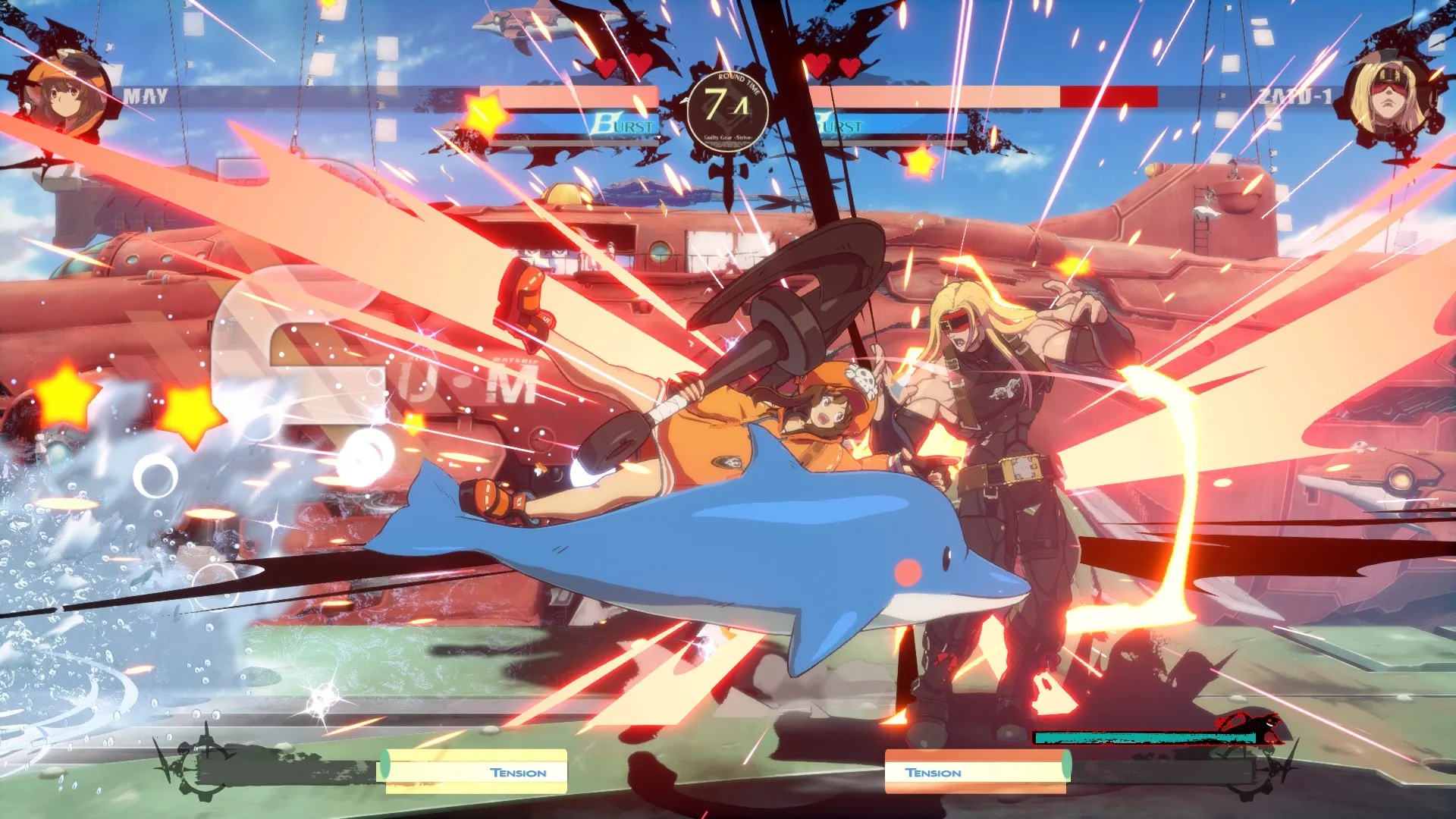
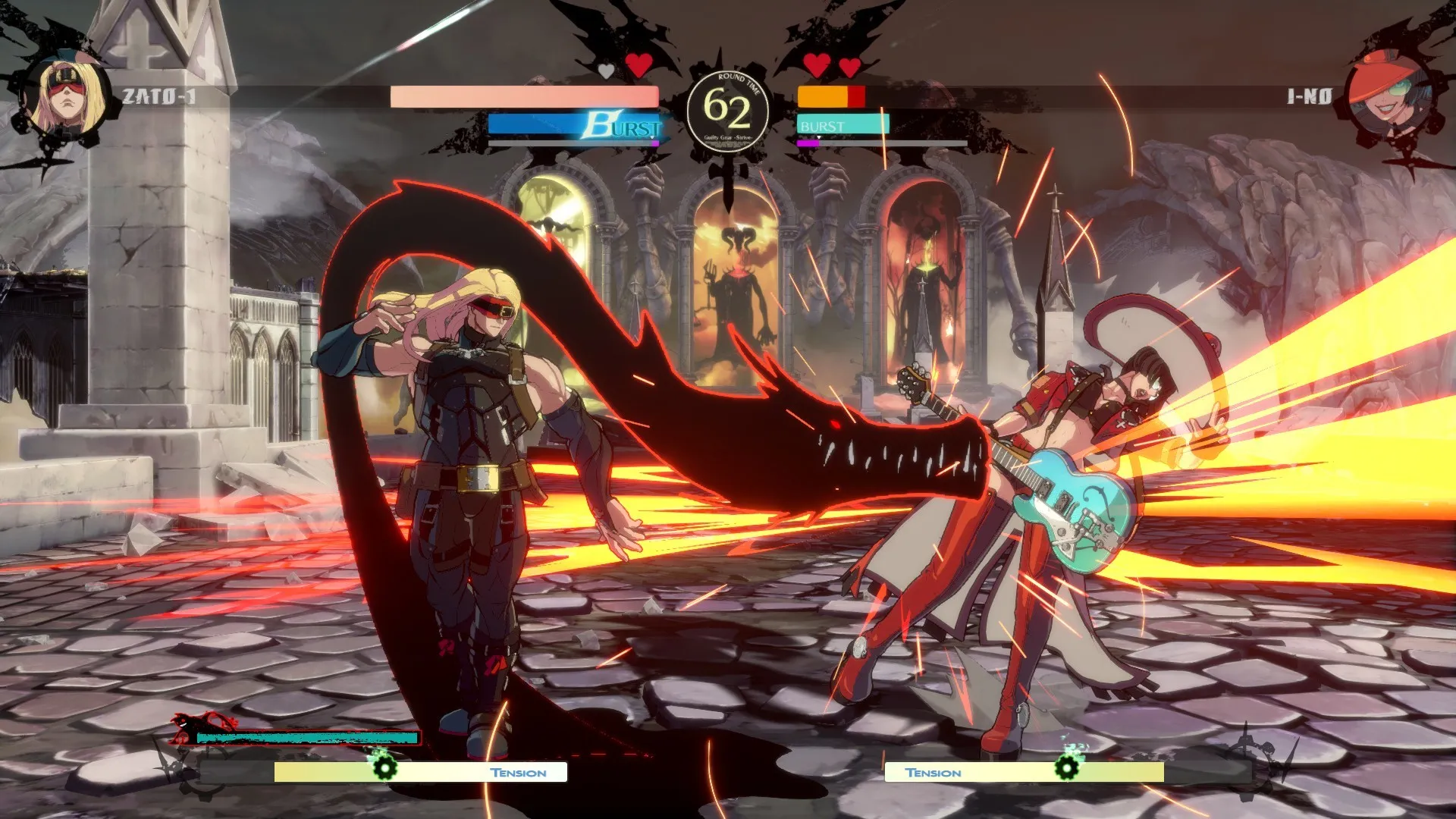
5. Understanding Roman Cancels and Tension Gauge
Roman Cancel is one of the most powerful mechanics in STRIVE.
It allows players to extend combos, create pressure, escape danger, and punish mistakes.
Managing Tension correctly separates intermediate players from advanced competitors.
Types of Roman Cancel
Blue Roman Cancel
- Neutral slowdown
- Creates mix-up opportunities
Red Roman Cancel
- Extends combos
- Adds damage
- Improves pressure
Purple Roman Cancel
- Makes unsafe attacks safer
Yellow Roman Cancel
- Defensive escape option
- Interrupts offensive pressure
Each type serves a completely different purpose.
Meter Management
Avoid spending all your meter immediately.
Sometimes saving 50% Tension for defense is stronger than using it for extra combo damage.
Experienced players constantly evaluate whether offense or defense deserves their meter more.