



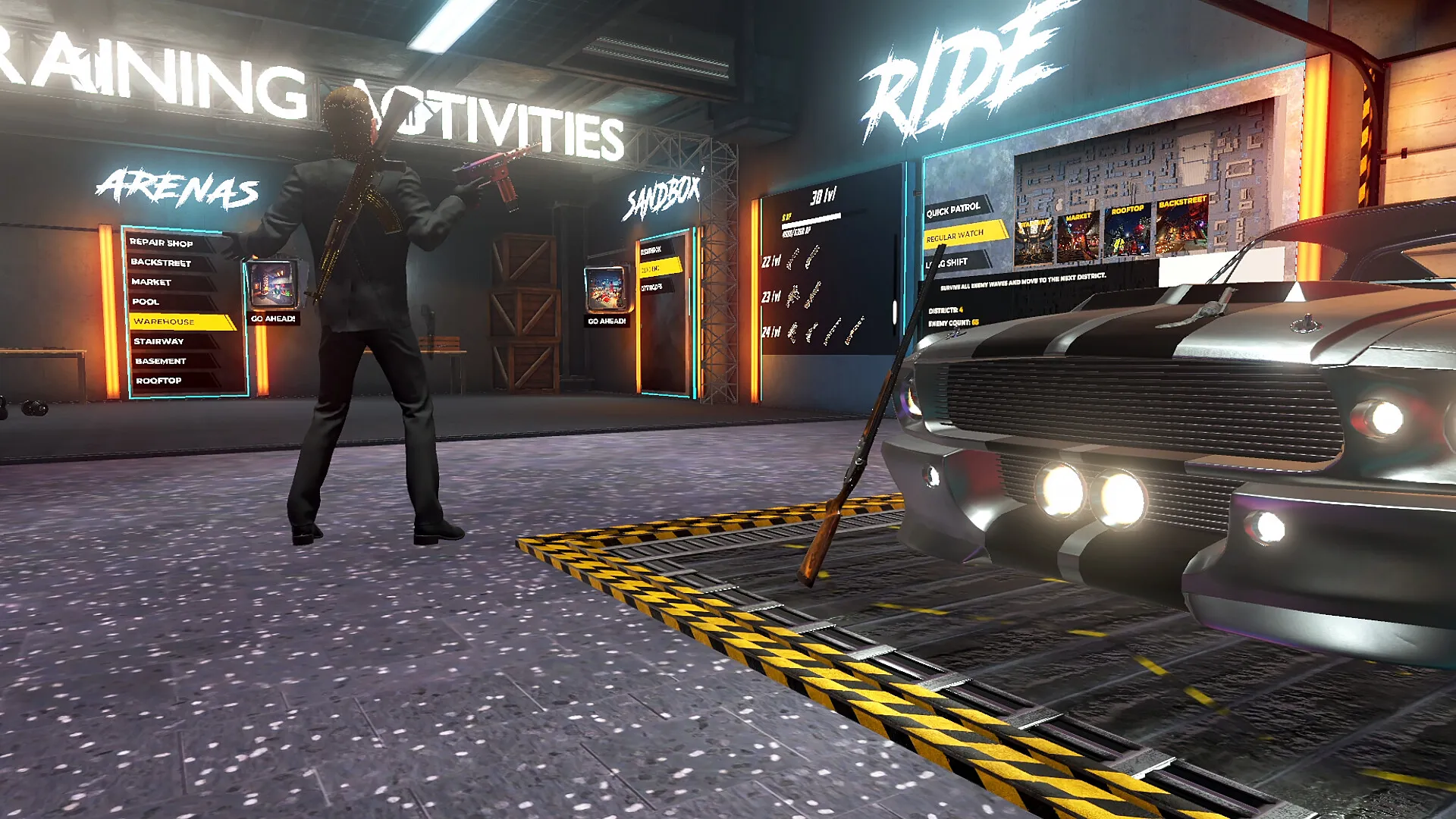
HARD BULLET is a physics-driven VR combat sandbox focused on brutal close-quarters combat, tactical gunplay, and interactive environmental destruction. Unlike traditional shooters, HARD BULLET rewards precision handling, situational awareness, and creative combat improvisation rather than simple run-and-gun aggression.
This guide is organized chronologically—from learning basic weapon handling to mastering advanced physics combat and survival efficiency—so you can improve consistency, survive longer, and maximize combat effectiveness.
1. Understanding the Core Combat Philosophy
HARD BULLET is built around physical interaction and realism-inspired weapon handling.
Unlike arcade shooters:
- Reloading is manual
- Weapon positioning matters
- Environmental interaction affects combat
Every movement has consequences.
Core Gameplay Loop
- Secure weapon
- Control engagement distance
- Eliminate threats efficiently
- Loot resources
- Reposition
Beginner Mindset
Avoid rushing enemies early. Controlled movement and deliberate action outperform panic aggression.
2. Learning Basic Weapon Handling
Weapon mastery is the foundation of survival.
Each firearm behaves differently in:
- Recoil
- Reload timing
- Accuracy
- Handling speed
Essential Gun Handling Skills
Practice:
- Magazine insertion
- Slide racking
- Chamber checks
- Fast target acquisition
Common Beginner Mistakes
- Forgetting to chamber rounds
- Dropping magazines accidentally
- Reloading under direct pressure
Build muscle memory first.
3. Positioning and Cover Usage
Standing in open areas leads to fast deaths.
HARD BULLET heavily rewards:
- Angled positioning
- Corner control
- Environmental cover
Effective Cover Strategy
Use:
- Walls
- Furniture
- Doorways
- Elevation changes
Peek Discipline
Expose only:
- Weapon
- Minimal head area
Overexposure increases incoming damage dramatically.
4. Close-Quarters Combat Fundamentals
Melee combat is extremely powerful when used correctly.
Weapons include:
- Knives
- Pipes
- Blunt objects
- Improvised tools
Melee Combat Principles
- Stay mobile
- Attack weak openings
- Avoid getting surrounded
Execution Timing
Strike:
- During enemy recovery
- After missed attacks
- At close angles
Aggressive timing wins close encounters.
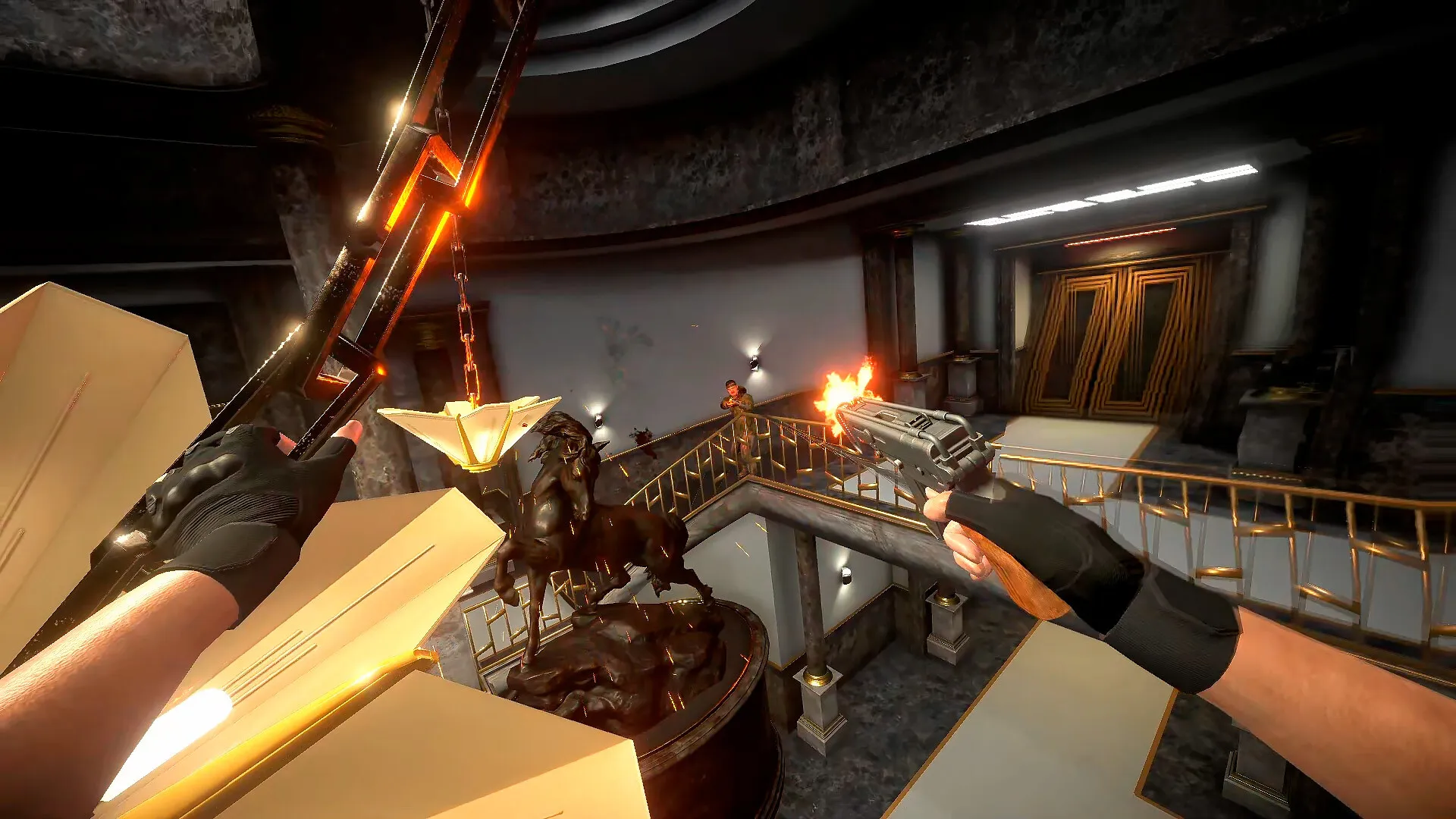
5. Ammo Conservation and Resource Management
Resources are limited in survival-focused modes.
Spraying bullets carelessly creates late-run shortages.
Ammo Efficiency Rules
- Aim center mass
- Fire controlled bursts
- Use melee whenever safe
Loot Prioritization
Collect:
- Ammunition
- Medical supplies
- Backup sidearms
Avoid carrying unnecessary duplicates.
6. Advanced Reloading and Weapon Switching
Combat flow depends on transition speed.
Slow reloads during firefights are fatal.
Tactical Reloading
Reload:
- Behind cover
- Before entering new rooms
- During downtime between waves
Secondary Weapon Strategy
Carry:
- Primary firearm
- Fast-draw backup pistol
- Emergency melee option
Layered loadouts improve adaptability.
7. Environmental Combat and Physics Abuse
HARD BULLET’s sandbox systems allow creative eliminations.
Use:
- Throwable objects
- Environmental hazards
- Physics manipulation
Improvised Combat Tactics
- Throw objects to stagger enemies
- Use walls for impact kills
- Push enemies into obstacles
Spatial Awareness
Monitor:
- Nearby escape routes
- Environmental traps
- Vertical positioning
The environment is part of your arsenal.
8. Enemy Behavior and Threat Prioritization
Different enemy types require different responses.
Some rush aggressively while others maintain ranged pressure.
Target Priority
Eliminate:
- Ranged enemies
- Fast melee units
- Remaining threats
Threat Control Strategy
Do not tunnel vision single enemies.
Continuously scan:
- Flanks
- Doorways
- Spawn angles
Situational awareness prevents surprise deaths.
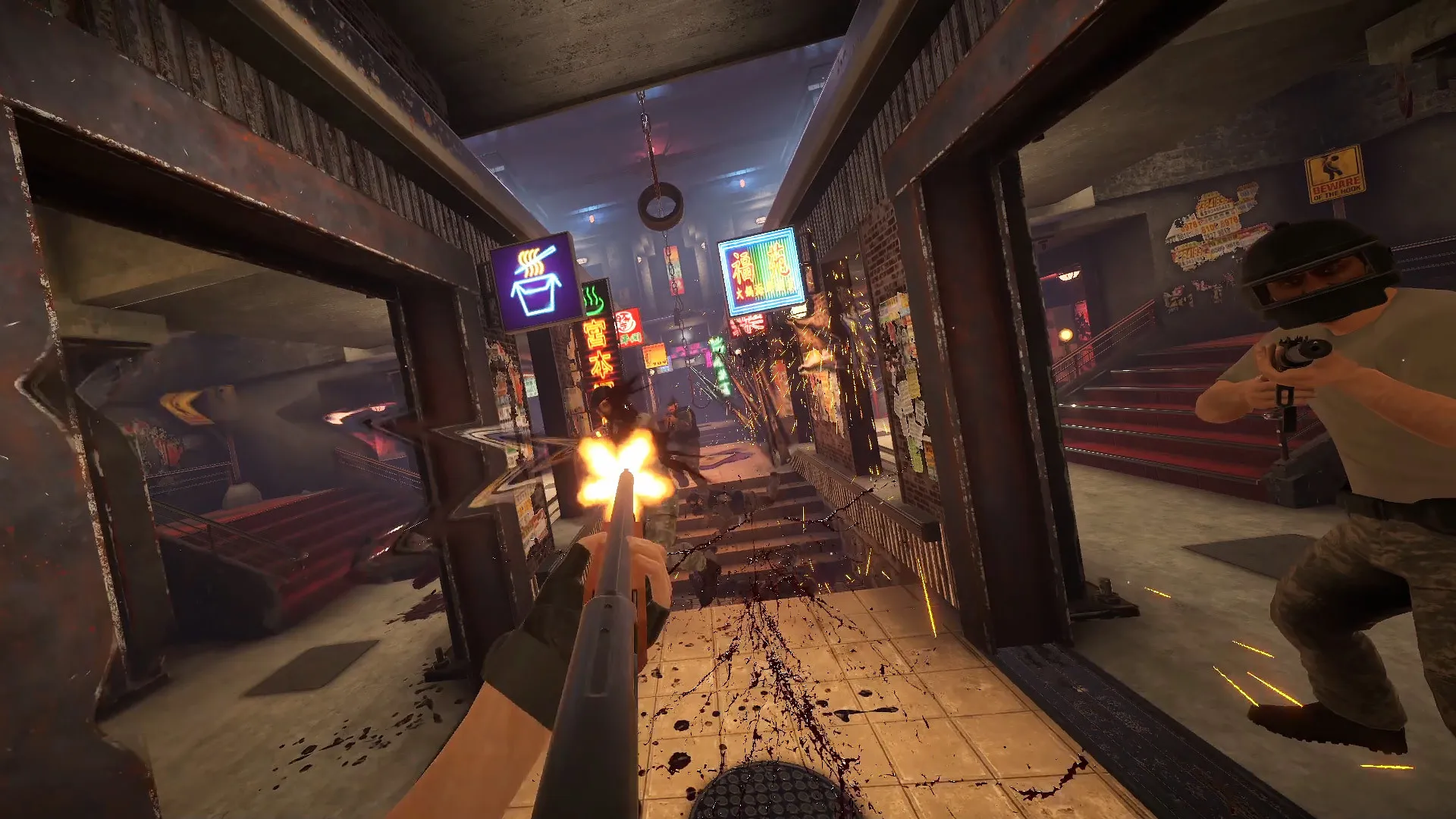
9. Survival Mode and Long-Run Optimization
As waves scale, efficiency becomes critical.
Late-game enemies:
- Deal higher damage
- Spawn in larger groups
- Pressure resources heavily
Long-Term Survival Priorities
Focus on:
- Ammo efficiency
- Defensive positioning
- Controlled engagements
Stamina and Fatigue Management
VR fatigue affects:
- Aim precision
- Reaction speed
- Movement consistency
Take short pauses between intense rounds if needed.
10. Advanced VR Combat Mastery
High-level play combines:
- Precision aiming
- Fast reload execution
- Environmental manipulation
- Movement control
Advanced Techniques
- Dual-wield transition firing
- Reload cancel timing
- Blind corner pre-aiming
Mental Discipline
Remain calm during:
- Weapon jams
- Missed reloads
- Multi-angle attacks
Panic creates mistakes.
Conclusion
HARD BULLET rewards deliberate action, environmental awareness, and physical precision. Early progression focuses on weapon familiarity and cover usage. Mid-game success depends on resource management and close-quarters efficiency. Late-game mastery requires rapid tactical decision-making, advanced reload execution, and controlled aggression.
Master your reloads. Control positioning. Conserve ammo. Use the environment intelligently.
Follow those principles, and you’ll survive even the most chaotic firefights in HARD BULLET.