
Dota 2 is one of the most complex and rewarding competitive games ever made. It is not a game you simply pick up and play well immediately. New players often feel overwhelmed by heroes items abilities maps and the fast pace of decision making. Losing early matches can be frustrating and confusing.
This how to guide is written to help players learn Dota 2 in the correct order over time. Instead of trying to learn everything at once this article breaks the journey into clear stages from understanding basics to playing smarter team fights and winning games. If you follow this guide patiently you will build strong fundamentals and long term improvement.
How to Understand Dota 2 Core Rules and Win Conditions
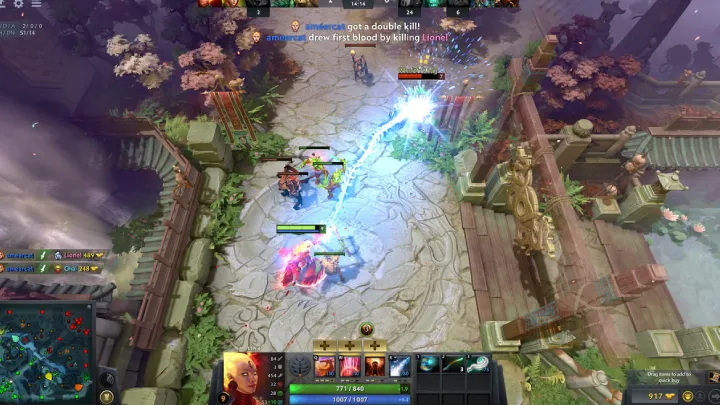
Dota 2 is a five versus five strategy game where each team tries to destroy the enemy Ancient. Every action you take should support this goal either directly or indirectly.
Kills alone do not win games. Objectives such as towers Roshan map control and economy are what decide victories. Understanding that Dota 2 is about strategy not constant fighting is the first lesson every player must learn.
Gold experience vision and positioning are resources just as important as mechanical skill.
How to Choose the Right Hero as a Beginner
With over one hundred heroes available choosing the right one matters a lot. Beginners should start with simple heroes that have clear roles and abilities.
Heroes with straightforward skills allow players to focus on map awareness item timing and teamwork instead of complex mechanics.
Sticking to a small hero pool builds confidence and consistency faster than switching heroes every match.
How to Learn Roles and Lane Responsibilities
Each Dota 2 team consists of different roles that work together. These roles determine where you play and what you focus on.
Common roles include carry mid offlane soft support and hard support. Each role has different priorities in gold experience and team responsibility.
Understanding your role helps reduce confusion and improves teamwork especially in public matches.
How to Last Hit and Manage the Laning Phase
The laning phase sets the tone for the entire match. Farming gold through last hitting is one of the most important skills in Dota 2.
Learning creep timing attack animation and damage calculation takes practice but pays off massively.
Good lane control denies enemy farm and gives your team an economic advantage early.
How to Use Items Effectively and Build Correctly
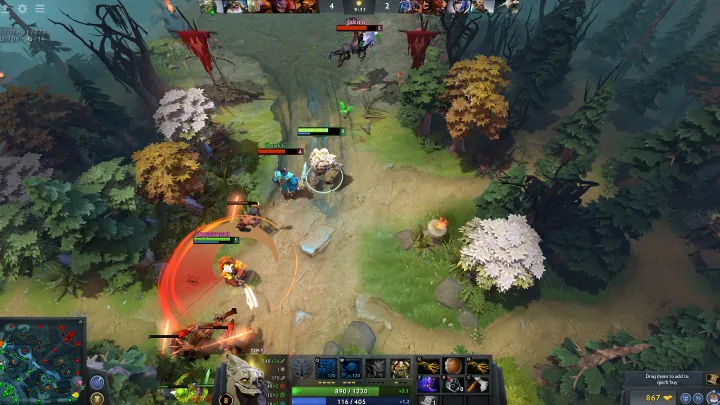
Items define hero power spikes and playstyle. Building the right items at the right time is crucial.
Beginners should follow recommended builds at first to understand core items and progression.
Over time players should learn to adapt builds based on enemy heroes game pace and team needs.
How to Control the Map and Use Vision
Vision wins games in Dota 2. Wards provide information that prevents ganks and enables smart decisions.
Supports usually handle warding but all players benefit from map awareness.
Controlling key areas such as high ground jungle entrances and objectives creates safety and pressure.
How to Fight Smart and Avoid Unnecessary Deaths
Team fights in Dota 2 are complex and positioning matters more than chasing kills.
Knowing when to engage and when to retreat saves games. Not every fight is worth taking.
Understanding cooldowns buyback status and power spikes helps make better fight decisions.
How to Play the Mid Game and Take Objectives
The mid game is where matches are often decided. Teams should convert advantages into towers and map control.
Grouping at the right time while still farming efficiently separates good players from average ones.
Objective focused play prevents games from dragging unnecessarily.
How to Play Late Game and Close Out Matches
Late game mistakes are extremely punishing. Death timers are long and buybacks become critical resources.
Patience discipline and coordination matter more than flashy plays.
Securing Roshan controlling vision and forcing favorable fights leads to winning pushes.
How to Improve Consistently and Learn From Losses
Improvement in Dota 2 comes from reflection not just playing more games.
Watching replays identifying mistakes and learning from better players accelerates growth.
Accepting losses as learning opportunities builds the mindset needed for long term success.
Conclusion
Dota 2 is a game of depth strategy and constant learning. Mastery does not come quickly but the journey is rewarding. By understanding core mechanics choosing simple heroes learning roles improving laning and making smarter decisions over time any player can grow steadily. This how to guide provides a clear roadmap for new and returning players to enjoy Dota 2 while improving consistently.
Summary
Step by step how to guide for Dota 2 covering heroes roles laning items vision team fights mid game late game and long term improvement for beginners.