.webp)








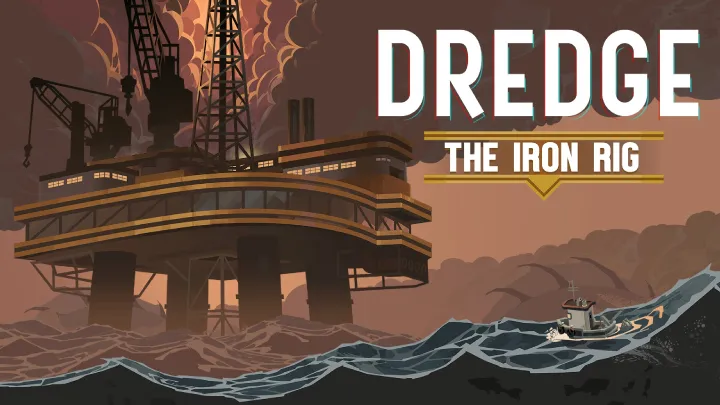
Dredge is an indie fishing adventure game developed by Black Salt Games that deftly intertwines exploration, fishing mechanics, and dark narrative elements to create a haunting experience. While the game initially appears charming with its whimsical art style and serene coastal setting, it soon reveals deeper themes of grief, loss, and the human condition. This article aims to explore how Dredge encapsulates the complexities of grief in both its narrative and gameplay, offering players a profound experience that resonates on multiple levels.
Introduction
At its core, Dredge invites players to become a fisherman on a mysterious archipelago filled with eerie lore, strange creatures, and haunting environments. As players engage with various quests and narratives, they navigate their own emotional landscapes, mirroring the protagonist’s journey through grief. The game cleverly employs mechanics and storytelling to push players to confront the emotional weight of loss while exploring an enigmatic world filled with secrets. Through its design and narrative structure, Dredge reveals a rich tapestry of grief that adds layers of depth to an ostensibly straightforward fishing game.
Setting the Scene: The Enigmatic Archipelago
An Unsettling Landscape
The first striking aspect of Dredge involves its setting: a seemingly quaint archipelago that gradually reveals its unsettling qualities.
- Visual Contrasts:
- The art style may initially appear cheerful, yet the vibrant colors juxtapose with darker themes woven throughout the game. The picturesque landscapes draw players in, but the lurking mysteries and ominous undertones evoke an unsettling atmosphere.
- Each island is meticulously designed to reflect its mood and lore, creating a sense of intrigue and providing context for the player’s journey. However, not all is as it seems; the idyllic scenery contrasts sharply with the dark secrets that await discovery.
- Themes of Isolation:
- The isolation inherent in this archipelago serves as an important narrative device. Players feel the weight of distance from the outside world, echoing the isolation experienced by those grappling with grief.
- Water serves as both a barrier and a bridge, embodying the protagonist’s journey as they navigate between the familiarity of land and the unknown depths of the ocean.
Exploring the Unknown
As players venture into the waters, the game emphasizes the thrill and peril of exploration.
- Fishing Mechanics:
- The core gameplay involves fishing and gathering resources, serving as both a means of sustenance for the protagonist and a metaphor for exploration. The mechanics of fishing highlight patience, strategy, and timing, alluding to the careful navigation required to process grief.
- Players must learn to manage their time and resources, mirroring the emotional labor involved in confronting loss. The rhythm of fishing becomes an immersive experience, pulling players further into the depths of the game’s narrative.
- The Call of the Deep:
- The underwater world gradually reveals mysterious creatures and treasures, signifying the unknown aspects of grief and the allure it presents. As players dive deeper, they encounter more chilling and otherworldly elements, which parallel the darker emotions that often accompany loss.
- Each encounter serves as a reminder that exploring the depths of one’s emotions can lead to unsettling discoveries, yet rewarding insights flourish in the journey.
Narrative Layers: The Weight of Grief
The Protagonist’s Burden
The protagonist of Dredge serves as a vessel through which players unravel the grief experienced within the game’s narrative framework.
- Backstory and Motivation:
- Upon arriving on the archipelago, players learn that the fisherman carries unspoken burdens linked to their past. The nature of these burdens remains shrouded in mystery, inviting players to piece together the protagonist’s story through exploration and interaction.
- Unraveling the protagonist’s backstory becomes an intimate experience as players resonate with the emotional fallout of loss through subtle cues and environmental storytelling.
- Symbolism of the Fishing Vessel:
- The fishing vessel embodies the protagonist’s personal journey. It requires maintenance and care, echoing the way individuals must tend to their emotional wounds. Just as a neglected boat can sink, so too can unresolved grief overwhelm a person.
- Upgrading the boat becomes an act of healing, with each improvement symbolizing growth and the pursuit of understanding one’s emotional landscape.
Interactions with the Inhabitants
The inhabitants of the islands represent various facets of grief and coping mechanisms, further deepening the exploration of emotion.
- Character Encounters:
- Engaging with various characters serves to expose different responses to loss. Each inhabitant encapsulates a unique narrative that reflects personal grief, offering insights that resonate with the protagonist’s struggles.
- Some characters may dwell on their past, while others seek to move forward. These interpersonal dynamics contribute to the overarching theme of acceptance and healing, reinforcing that grief is an ever-present aspect of life.
- Quests of Emotional Significance:
- Quests often involve uncovering the stories of these characters, and the player’s willingness to assist them symbolizes an integral part of confronting one’s grief. Helping others reflects the communal aspect of dealing with loss, echoing the importance of connection in healing.
- The emotional engagement with quests fosters deeper connections with the characters and the overarching narrative, inviting players to reflect upon their own experiences with grief and loss.
Thematic Symbolism: The Ocean as a Metaphor
The Abyss: Fear and the Unconscious
The ocean in Dredge serves as a potent symbol of the unconscious mind and the depths of grief.
- Exploring the Abyss:
- Players often venture into the dark depths of the ocean, representing the subconscious regions where unresolved pain and trauma often reside. The murky waters evoke feelings of fear and trepidation, drawing parallels to the discomfort experienced when confronting difficult emotions.
- The darkness that envelops these underwater regions reflects the complexity of grief, exposing players to the more challenging aspects of their journey.
- Encounters with Nightmares:
- As players explore the depths, they face not only fish but eerie and haunting entities, representing manifestations of the protagonist’s unresolved emotions. These encounters serve as pivotal moments in the game that require reflection and courage to confront.
- The surreal fusion of reality and nightmare fosters a deeper understanding of how grief can morph into something almost otherworldly, encapsulating the fear and uncertainty that often accompany personal loss.
The Lighthouses: Guiding Lights
In contrast, the lighthouses scattered across the archipelago symbolize hope and guidance in the face of despair.
- Symbols of Hope:
- Each lighthouse represents a point of light, signifying the possibility of navigating through the darkness. Their existence within the game encourages players to seek understanding and comfort amid turmoil.
- The act of visiting lighthouses often ties into the narrative, as characters may be linked to these symbols of guidance. Protagonists can derive strength and reassurance from these beacons, offering solace amidst the intimidating depths of grief.
- Community and Connection:
- The lighthouses echo the importance of connection and communal healing. They signify shared experiences, mirroring the importance of friendship and support during times of loss.
- By visiting these locations, players are reminded of the necessity of reaching out to others. Understanding that they are not alone in their struggles can illuminate the path toward healing.
The Cycle of Grief: Stages Explored
Experiencing the Stages of Grief
Dredge effectively explores the stages of grief within its narrative framework, allowing players to experience the emotional cycle through gameplay mechanics.
- Denial and Isolation:
- At the beginning of the game, players witness a sense of denial reflected in the protagonist’s interactions with the islands. This initial reluctance to confront hidden emotions encapsulates the first stage of grief.
- This stage is symbolized through the lonely landscapes and the protagonist’s solitary fishing endeavors. The absence of immediate emotional confrontation creates a vulnerable space for players to engage with their own processes.
- Anger and Exploration:
- As players delve deeper into the narrative, they encounter anger manifested through sea monsters and looming threats. Each confrontation with these fearsome creatures echoes the frustration and rage inherent in the grieving process.
- This stage pushes players to confront fears, representing how anger can drive one to navigate through personal trials. Exploring new depths and battling adversaries becomes akin to actively processing complex emotions.
The Pursuit of Acceptance
As players continue through the narrative, they gradually approach acceptance, a significant theme that culminates in the latter part of the game.
- Finding Purpose:
- Through exploration, players begin to connect dots between quests, gradually unveiling a deeper understanding of the protagonist’s journey. Finding purpose in aiding characters and overcoming obstacles becomes synonymous with healing.
- The game nudges players toward recognizing that acceptance does not entail forgetting the past, but rather learning to coexist with it, embracing personal growth despite loss.
- Reflection and Connection:
- Conversations with characters often explore themes of remembrance and carrying forward legacies. Players are encouraged to reflect on their past while forging ahead.
- The communal aspect of confronting grief—through shared quests and character narratives—emphasizes the importance of connection in navigating the complexity of acceptance.
Environmental Storytelling: A Mechanism for Resonance
The Art of Environmental Design
Dredge employs environmental storytelling as a powerful mechanism for resonating themes of grief and exploration.
- Atmospheric Details:
- The careful design of islands, cliffs, and coastal areas adds layers of meaning that convey emotional undertones. Each locale interacts with players' senses, facilitating immersion and evoking emotional responses.
- Details like weather changes, environmental textures, and background sounds enrich the experience, creating an emotional resonance that mirrors the protagonist's evolving journey.
- Symbolism in Geography:
- The layout of the game world informs the narrative and emotional journey, emphasizing isolation through geography and creating an emotional trajectory for players to follow.
- Each region serves as a metaphor for distinct aspects of the grieving process, facilitating a gradual exploration of different themes through the shifting landscapes.
Subtle Narratives: Crafting Depth
The subtleties woven throughout the environmental narrative deepen players’ connections to the emotional core of Dredge.
- Hidden Lore:
- Players uncover background lore and artifacts within the environment, revealing stories of previous inhabitants and their struggles with grief. These narratives enhance the richness of the game world and resonate with Cal’s own journey.
- Discovering these hidden elements invites players to contemplate their implications, creating emotional depth that enriches the overall experience.
- Players as Storytellers:
- As players make choices and explore, they contribute to the unfolding narrative, transforming their personal journeys into unique experiences. This empowerment heightens emotional investments and emphasizes the importance of self-discovery.
- Dredge encourages players to perceive the world through their own lenses, finding meaning and resonance through personal exploration and narrative connections.
Conclusion: Navigating the Depths of Grief and Self
Dredge masterfully intertwines gameplay mechanics and narrative to explore profound themes of grief, exploration, and self-discovery. The game offers a complex yet relatable experience, guiding players through various stages of grief while motivating them to confront their own emotions.
Through environmental storytelling, character relationships, and an evocative atmosphere, Dredge provides a poignant reflection on the human experience, reminding players that navigating grief is a deeply personal journey filled with unique challenges and discoveries. Ultimately, Dredge stands as a testament to the power of exploration—both in-game and within oneself—transforming a fishing adventure into a meaningful exploration of our emotional landscapes.