


Introduction
League of Legends, often shortened to LoL, has secured its place as one of the most influential and enduring titles in modern gaming. Known for its deep strategic gameplay, vibrant champions, and massive esports events, LoL remains a worldwide hot game attracting millions of players. Whether you are new and want to learn how to play or an experienced summoner aiming to improve, this comprehensive guide will help you understand the evolution, gameplay, strategies, and techniques that define League of Legends.
This article contains 10 fully developed sections arranged logically by timeline and meaning—from the origins of LoL to advanced mechanics and its bright future.
1. The Origins and Global Rise of League of Legends
League of Legends was released by Riot Games in 2009. Inspired by the Warcraft III mod Defense of the Ancients, Riot sought to expand the idea into a standalone multiplayer online battle arena (MOBA). What began as a small project quickly exploded into one of the most successful video games ever created.
Its combination of accessibility and depth made it instantly popular. Players were drawn to its fast-paced matches, variety of champions, and competitive ranking system. Over time, LoL became known as a hot game that reshaped online multiplayer culture.
As esports grew, League of Legends became one of its biggest pillars. The annual World Championship attracts viewership rivaling major traditional sports. This legacy keeps the game alive and evolving, with new champions, updates, and features released every year.
2. Understanding the Basic Gameplay Structure
At its core, League of Legends is a 5v5 team-based strategy game played on the map called Summoner’s Rift. Two teams compete to destroy the enemy Nexus, located deep within their base. Before achieving this goal, players must defeat minions, secure objectives, and dismantle turrets.
New players often struggle because they do not fully understand how to play their role in a team. The game includes complex mechanics—laning, jungling, rotations, and item builds—that take time to master. Still, the structured layout helps beginners learn gradually.
The rapid pace and constant updates ensure the game never feels outdated. Every patch shifts the meta, forcing players to adapt strategies. This constant evolution is one of the reasons League of Legends remains a long-lasting hot game in competitive gaming.
3. How to Choose the Right Champion
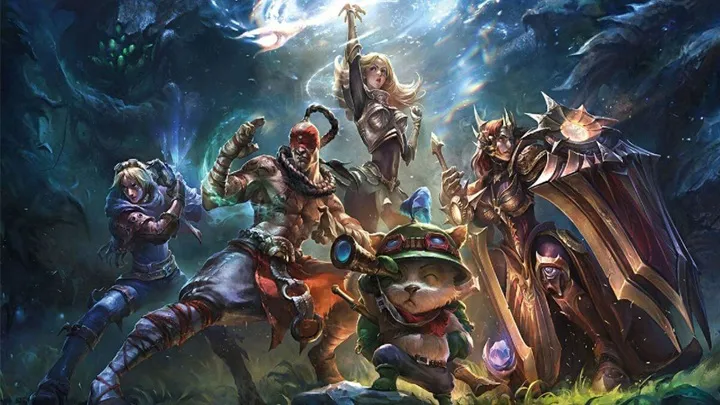
With more than 160 champions, choosing the right one can be overwhelming. Each champion fits specific roles and playstyles. Some excel at dealing damage, while others specialize in support, control, or durability.
H3: Understanding Champion Categories
• Marksmen – ranged damage dealers
• Tanks – durable front-liners
• Mages – magical burst or control specialists
• Assassins – high-damage, quick eliminators
• Bruisers – durable fighters with strong melee ability
• Supports – protect allies and control fights
H4: Beginner Champion Tips
Many beginners ask how to choose an easy champion. Riot Games has starter-friendly champions such as Garen, Ashe, Lux, and Morgana that help players understand core mechanics.
As players progress, they experiment with more complex champions, discovering their preferred roles. This experimentation is one of the fun parts that make League of Legends a consistent hot game for casual and competitive players alike.
4. Mastering the Five Main Roles
League of Legends is defined by its five roles: Top, Jungle, Mid, ADC, and Support. Each role influences the outcome of the game differently.
Top Lane – Usually home to tanks and bruisers, the top lane is isolated and often involves one-on-one combat. Players here need strong lane control and map awareness.
Jungle – Junglers roam the map, farming neutral monsters and setting up ambushes. Mastering how to gank effectively is crucial for this role.
Mid Lane – This lane hosts assassins and mages, who often become the team’s primary damage source.
ADC – Attack Damage Carries deal high sustained damage but need protection. They scale well into late game.
Support – Supports protect the ADC and control enemy movements. Their choices directly influence vision, crowd control, and team fight success.
Understanding these five roles is essential for strategizing and improving overall gameplay.
5. How to Improve Laning Phase Fundamentals
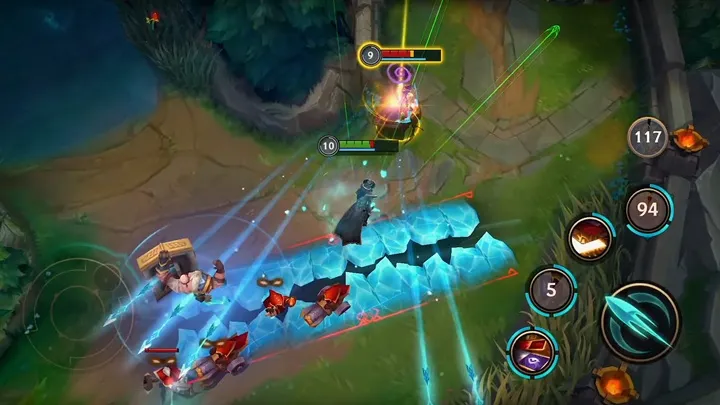
The laning phase takes up the early part of every match. It affects your gold, items, and influence in later stages. Mastering it is vital for new and experienced players.
H3: Core Laning Concepts
• Farming minions for gold
• Harassing opponents
• Avoiding unnecessary damage
• Maintaining lane control
• Wave management
H4: Learning How to Farm
Proper farming is one of the first skills you must learn. Many new players struggle to understand how to last-hit minions effectively. Missing farm reduces your gold income and makes you fall behind your opponent.
The laning phase is also where you learn to trade damage efficiently, position properly, and track jungle threats. Mastering these fundamentals greatly improves your win rate.
6. Vision Control, Map Awareness, and Objectives
League of Legends goes far beyond individual skills. Vision and map awareness are essential for making correct decisions and avoiding danger.
Placing wards provides vital information about enemy positions. Without vision, the game becomes unpredictable. Many players lose because they fail to understand how to control vision properly.
Objectives like Dragon, Baron Nashor, Rift Herald, and turrets shape the flow of the game. Securing objectives gives gold, buffs, and advantages that help your team pressure the map. Vision, positioning, and communication are crucial elements that contribute to objective control in this hot game.

7. Team Fighting and Coordination Strategies
Team fights are where League of Legends becomes intense. Winning or losing a single team fight can determine the outcome of the entire match.
H3: Key Concepts in Team Fights
• Positioning
• Ability timing
• Target focus
• Peel and protection
• Crowd control chains
Players must understand how to approach fights based on their roles. ADCs should stay in the backline, dealing damage safely. Tanks and front-liners initiate fights, while supports protect teammates and prevent enemy assassins from diving the backline.
H4: Communication Tips
Even without voice chat, players can coordinate using pings. Good communication helps teams avoid poor engagements and capitalize on enemy mistakes.
8. Learning How to Build Items Correctly
Item building significantly impacts your champion’s performance. Beginners often struggle with knowing how to build the right items. Fortunately, League of Legends provides recommended builds, but learning to adapt is key.
H3: Types of Items
• Damage items
• Defensive items
• Magic items
• Utility items
• Boots
Each champion benefits from a specific set of item types. Understanding enemy composition also affects item choices. For example, armor counters physical damage champions, while magic resist helps against mages.
H4: Adapting Builds
Developing item flexibility is a major step toward climbing ranks. Players who adapt their builds to the game situation greatly increase their win rates.

9. How to Climb the Ranked Ladder
Ranked play is the competitive heart of League of Legends. Climbing requires commitment, skill growth, and knowledge of the meta.
Many new players want to know how to climb quickly. The key is consistency: mastering a small pool of champions, learning macro strategy, and minimizing risky plays. Players who jump between champions struggle to develop long-term skill.
Keeping calm during matches is essential. Emotional play often leads to mistakes. Successful climbers learn to focus on improvement rather than blaming teammates.
League of Legends remains a hot game because the ranked ladder continues to challenge players worldwide. Each victory feels earned, and each loss becomes a lesson.
10. The Future of League of Legends
League of Legends continues evolving. Regular updates, new champions, visual reworks, and events keep the game fresh. Riot Games also expands its universe through music groups like K/DA, animated series such as Arcane, and spinoff titles.
The esports scene grows every year. World Championships fill stadiums and attract millions of online viewers, proving that LoL continues to be a global phenomenon.
As long as players search for how to improve their skills and master the ever-changing meta, League of Legends will remain a dominant hot game in the industry.