 mingameh5.com
Resident Evil Tips and Guide: Essential Survival Horror Strategies for Beginners

Resident Evil is one of the most recognizable survival horror franchises in gaming, combining terrifying enemies, challenging puzzles, limited resources, and intense combat encounters. Developed by Capcom, the series has introduced players to unforgettable characters, dangerous biological experiments, and mysterious locations filled with hidden secrets. Whether you are exploring the Spencer Mansion, escaping the horrors of Raccoon City, or facing terrifying creatures in remote European villages, surviving requires more than simply knowing how to shoot.
Unlike traditional action games, Resident Evil often challenges players to make difficult decisions with limited ammunition, healing items, and inventory space. Every encounter can become dangerous when resources are running low, while exploring carefully can reveal valuable supplies and shortcuts that make later challenges easier.
For newcomers, understanding the basic mechanics is essential to surviving the series. Experienced players can also benefit from improving their combat techniques, learning enemy behavior, and discovering more efficient ways to manage resources. This Resident Evil tips and guide article covers essential survival strategies, exploration techniques, puzzle-solving advice, and combat tips to help you become a more confident survivor.
1. Understand Survival Mechanics and Manage Your Resources Carefully
One of the most important lessons in Resident Evil is that ammunition is valuable. Unlike many action games where players can defeat every enemy they encounter, survival horror often rewards careful decision-making. Fighting every creature you see can quickly leave you without enough ammunition for more dangerous encounters.
Before engaging an enemy, consider whether defeating it is necessary. Some enemies can be avoided by running past them, using environmental obstacles, or choosing another route. Saving ammunition for stronger opponents and important encounters can make a significant difference later in the game.
Healing items are equally important. Green Herbs, First Aid Sprays, and other recovery supplies can restore health, but their availability is often limited. Avoid using healing items immediately after receiving minor damage. Instead, pay attention to your character's health condition and save stronger recovery supplies for situations where they are genuinely needed.
Inventory management is another essential survival skill. Depending on the Resident Evil title, your character may have limited inventory slots or a restricted carrying capacity. This means you need to prioritize important items rather than collecting everything you encounter.
Useful inventory management strategies include:
- Keep essential weapons and ammunition available.
- Carry healing items when entering unfamiliar or dangerous areas.
- Avoid collecting unnecessary items that occupy valuable space.
- Store items you do not immediately need in available storage systems.
- Combine compatible items when doing so improves inventory efficiency.
- Check your inventory before entering major encounters.
Different Resident Evil games use different inventory systems, so learning the mechanics of your current title is important. Some games feature item boxes, while others introduce attaché cases or additional inventory upgrades.
You should also pay attention to save systems. Certain entries use automatic saving, while others include manual saving and limited save resources. Understanding how saving works can prevent unnecessary progress loss.
The best approach is to treat every resource as an investment in your survival. A few bullets saved during an ordinary encounter could become extremely valuable when facing a stronger enemy later.
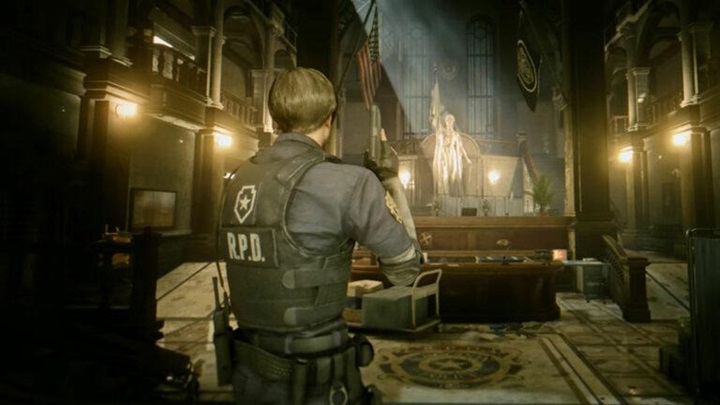
2. Master Combat Techniques and Learn Enemy Behavior
Combat in Resident Evil is designed to create tension. Enemies can be unpredictable, ammunition may be limited, and some creatures require specific strategies to defeat efficiently.
Instead of relying entirely on continuous shooting, learn how different enemies behave and identify their weaknesses. Understanding enemy movement patterns can help you avoid unnecessary damage and choose better opportunities to attack.
One important technique is aiming for vulnerable areas. Depending on the enemy and game, headshots or attacks against specific body parts may deal additional damage or interrupt an enemy's movement. However, aiming for these areas can be difficult when enemies are moving quickly or approaching from multiple directions.
For beginners, these combat techniques are especially useful:
Maintain distance whenever possible. Many enemies become more dangerous when they get close. Use available space to reposition yourself and avoid becoming trapped.
Use defensive actions. Some Resident Evil games include blocking, guarding, dodging, or other defensive mechanics. Learning when to use these abilities can prevent significant damage.
Understand weapon differences. Handguns are useful for general encounters, shotguns are effective at close range, and rifles can provide precision against distant targets. Explosives and specialized weapons may be particularly valuable against powerful enemies.
Avoid wasting ammunition. Do not continue shooting once an enemy is no longer a threat. Knowing when to stop attacking is just as important as knowing when to shoot.
Watch enemy animations. Many creatures have recognizable attack patterns. Observing their movements can help you predict when to dodge, block, or counterattack.
Boss encounters require additional preparation. Before entering a major battle, check your available ammunition, healing supplies, and weapon selection. Some bosses have specific weak points or environmental mechanics that can make the fight easier.
If you repeatedly struggle against a particular enemy, consider changing your approach instead of simply using more ammunition. A different weapon, better positioning, or more careful timing may produce much better results.
Remember that Resident Evil combines action with survival horror. Defeating enemies is important, but staying alive while preserving your resources should always remain your primary objective.
3. Explore Every Area, Solve Puzzles, and Discover Hidden Items
Exploration is one of the defining elements of Resident Evil. Many locations contain locked doors, hidden passages, valuable supplies, mysterious documents, and environmental clues that help players understand the surrounding story.
Rushing through unfamiliar areas can cause you to miss important items. Take your time to inspect rooms, examine unusual objects, and investigate locations that appear suspicious.
Maps are particularly useful when exploring complicated environments. Many Resident Evil titles provide maps that identify rooms, doors, and areas you have already visited. Some games also indicate whether a room still contains undiscovered items.
Use these tools to organize your exploration. If a room contains an unopened container or an unexplored section, consider returning after obtaining the required key or equipment.
Puzzles are another major part of the experience. They often require players to examine symbols, read documents, arrange objects, or identify relationships between different environmental clues.
When solving puzzles, avoid interacting with everything randomly. Instead, search for information that might explain the intended solution.
Useful puzzle-solving strategies include:
- Read documents and notes carefully because they may contain important clues.
- Examine objects from different angles when the game allows it.
- Pay attention to symbols, numbers, colors, and repeated patterns.
- Remember unusual details found in earlier rooms.
- Check your inventory for objects that may interact with the environment.
- Revisit previously inaccessible areas after discovering new keys or tools.
Keys and special objects are especially important because they often unlock new sections of a location. However, some items have limited purposes and can be discarded after they are no longer needed.
Before discarding an object, make sure it has served its intended purpose. If you are uncertain, check the item's description or review nearby locked doors and unexplored locations.
Exploration also helps reveal the game's narrative. Files, photographs, laboratory records, and character documents provide additional context about the events surrounding the outbreak or mysterious incident.
Taking time to investigate your surroundings makes the experience more rewarding and can provide valuable resources for future encounters.
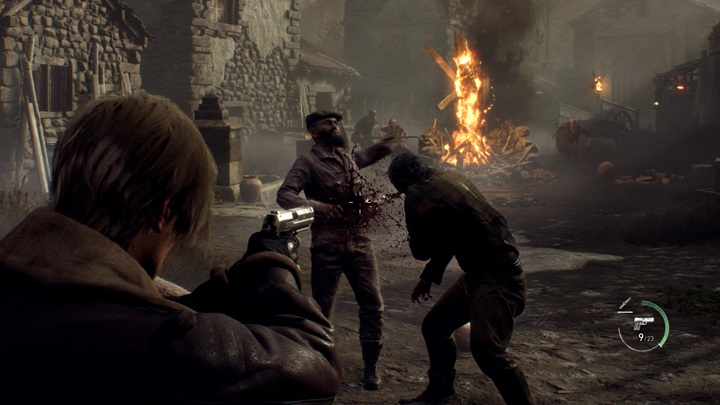
4. Prepare for Difficult Encounters and Improve Your Overall Strategy
As you progress through Resident Evil, enemies become more dangerous, environments become more complicated, and survival requires increasingly careful planning.
Preparation is particularly important before entering unfamiliar locations or major boss encounters. Check your inventory, organize your weapons, and make sure you have enough healing supplies to handle unexpected situations.
Weapon upgrades can also make a substantial difference. Depending on the game, you may be able to improve damage, reload speed, ammunition capacity, accuracy, or other weapon characteristics.
However, upgrading every weapon immediately is not always the most efficient choice. Consider which weapons you use most frequently and prioritize improvements that provide meaningful benefits to your playstyle.
Another important strategy is learning when to retreat. Not every encounter needs to end with an enemy's defeat. If ammunition is limited or your health is low, finding another route may be safer than continuing a fight.
Difficulty settings should also be considered. Many Resident Evil games provide multiple difficulty options, allowing newcomers to learn the mechanics before attempting more challenging modes. If you are unfamiliar with a particular entry, starting on a lower difficulty can help you understand enemy behavior, puzzles, and resource systems.
For players who want an additional challenge, harder difficulties encourage more precise resource management and better combat decisions. Some games also include additional unlockable modes, rewards, and special challenges after completing the main story.
Here are several habits that can improve your overall performance:
- Check your inventory before entering dangerous areas.
- Learn the attack patterns of common enemies.
- Upgrade your most frequently used weapons.
- Explore rooms thoroughly before moving forward.
- Save healing supplies for situations where they are needed.
- Avoid unnecessary combat when escaping is possible.
- Use defensive mechanics instead of relying only on weapons.
- Pay attention to environmental clues during difficult encounters.
It is also worth remembering that each Resident Evil game has its own mechanics. A strategy that works well in Resident Evil 2 may not be equally effective in Resident Evil 4 or Resident Evil 7. Learn the unique systems of each title instead of assuming every game follows exactly the same rules.
The more familiar you become with a game's mechanics, the easier it will be to make quick decisions under pressure.
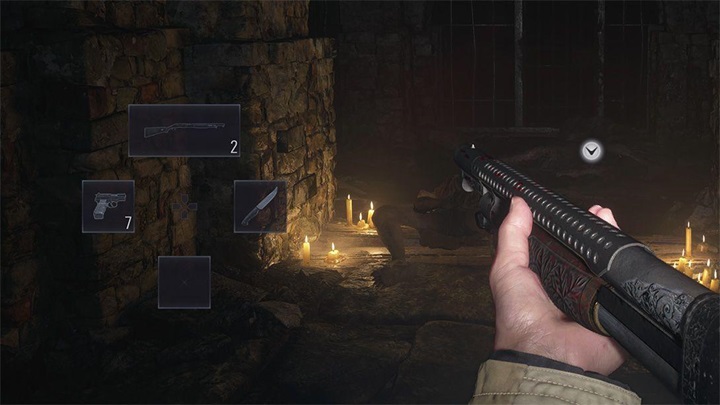
5. Conclusion: Become a Better Survivor with These Resident Evil Tips
Resident Evil offers an unforgettable survival horror experience built around resource management, exploration, puzzles, combat, and atmospheric storytelling. Its greatest strength is the tension created by limited resources and dangerous encounters, forcing players to think carefully before making decisions.
For beginners, the best approach is to learn the survival mechanics, preserve ammunition, manage healing items, and explore every location thoroughly. Understanding enemy behavior and using weapons effectively will also make difficult encounters much easier.
Experienced players can improve their performance by optimizing inventory management, learning boss weaknesses, upgrading weapons strategically, and experimenting with different difficulty settings.
Most importantly, remember that survival is not always about defeating every enemy. Sometimes the smartest decision is to conserve ammunition, avoid unnecessary fights, and find another way forward.
Whether you are experiencing the franchise for the first time or returning to explore its terrifying locations again, these Resident Evil tips and guide strategies can help you survive longer, discover hidden secrets, and enjoy everything the series has to offer.